
June 18, 2025 | Truck Accident Lawyer Near Me Columbia, SC
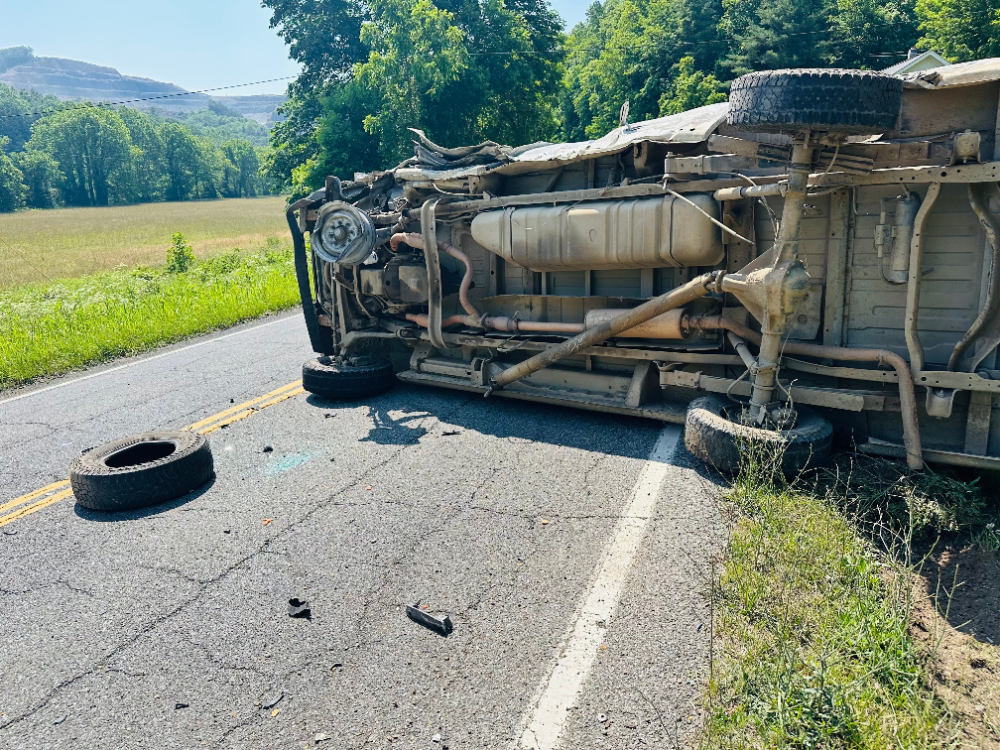
Navigating the Aftermath of a Semi-Truck Collision: Essential First Steps
Semi-truck collisions can turn your life upside down in an instant. When you’re suddenly facing serious injuries, mounting medical bills, and the daunting prospect of dealing with powerful trucking companies and their insurers, knowing the right steps to take immediately after the crash can make all the difference in your recovery journey. While South Carolina highways see thousands of commercial vehicle accidents each year, many victims are unprepared for the following complex legal landscape. This guide outlines the critical actions you must take to protect your health, rights, and potential compensation claim after being involved in a semi-truck collision in South Carolina.
Don’t let the complexities of a semi-truck collision overwhelm you. Reach out to Jeffcoat Injury and Car Accident Lawyers for guidance and support in navigating your claim. Call us at (803) 200-2000 or contact us today to ensure your rights are protected, and your path to recovery is clear.
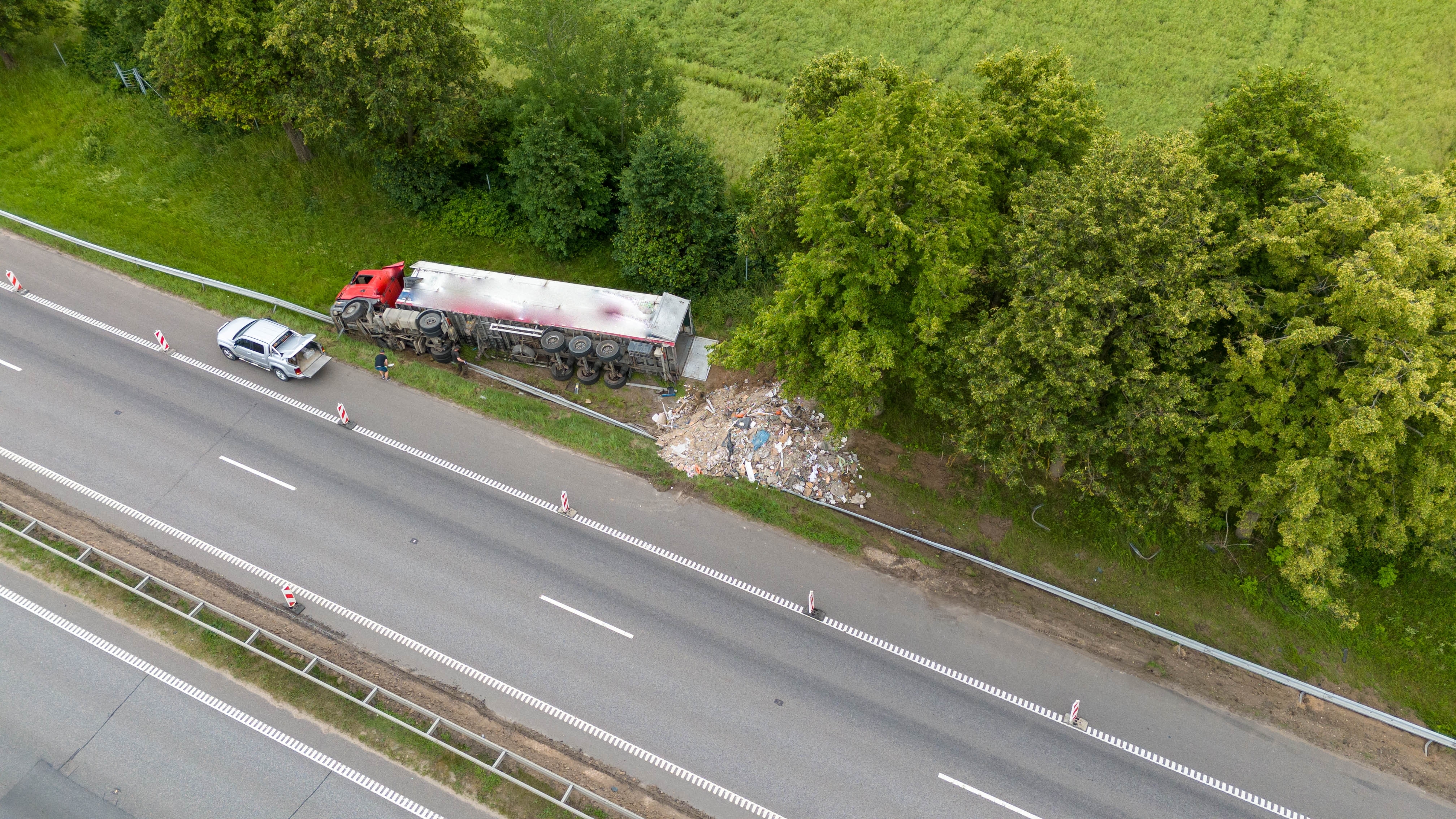
Understanding Your Legal Rights After a South Carolina Truck Accident
South Carolina operates under comparative negligence principles, which means that even if you were partially at fault for the accident, you may still be entitled to compensation as long as you were less than 51% responsible. This is particularly important in semi-truck collisions, where multiple parties may share liability, including the truck driver, trucking company, vehicle manufacturer, cargo loaders, or maintenance providers. Unlike regular passenger vehicle accidents, commercial truck crashes involve federal regulations from the Federal Motor Carrier Safety Administration (FMCSA) alongside state laws. These regulations govern everything from driver qualifications and hours of service to vehicle maintenance standards and weight restrictions. Understanding these overlapping legal frameworks is essential to identifying all potentially liable parties and building a strong case. In South Carolina, you generally have three years from the date of the accident to file a personal injury lawsuit, but evidence can disappear quickly in trucking cases, making prompt action crucial to preserving your rights.
The 7 Critical Steps to Take Following a Semi-Truck Collision
When involved in a collision with a commercial truck, the actions you take in the immediate aftermath and the days following can significantly impact your physical recovery and your ability to secure fair compensation. Each step serves a specific purpose in protecting your health, documenting the incident, and preserving your legal rights under South Carolina law. While some steps may seem obvious, others involve nuances specific to commercial vehicle accidents that many victims overlook, potentially compromising their claims.
-
Seek immediate medical attention, even if injuries seem minor – Many serious injuries, including traumatic brain injuries and internal bleeding, may not show symptoms immediately. Document all medical visits and follow treatment plans precisely, as gaps in medical care can be used by insurance companies to claim your injuries weren’t serious or weren’t caused by the accident.
-
Report the accident to law enforcement – In South Carolina, crashes involving injuries or deaths must be reported immediately. The responding officer will create an official crash report that becomes crucial evidence. According to recent FMCSA data, crash preventability determinations can significantly impact how liability is assessed in commercial vehicle cases, making this official documentation essential to your claim.
-
Gather evidence at the scene if possible – Take photos of all vehicles, road conditions, skid marks, traffic signals, and your visible injuries. Get contact information from witnesses, as their testimonies can be invaluable. Note the truck’s company name, DOT number, and license plate.
-
Avoid giving recorded statements to insurance companies – The trucking company’s insurance representatives may contact you quickly, often before you’ve even left the hospital. Politely decline to give statements or sign documents until you’ve consulted with an attorney.
-
Preserve evidence of damages – Keep all medical bills, repair estimates, and documentation of missed work. Start a “pain journal” documenting your daily pain levels, limitations, and emotional state to track how the injuries affect your life.
-
Refrain from social media posts about the accident – Insurance investigators routinely monitor victims’ social media accounts looking for posts that could contradict injury claims. Even innocent photos of you engaging in normal activities could be misrepresented to minimize your injuries.
-
Consult with a truck accident lawyer in Columbia who specializes in commercial vehicle collisions – Trucking companies typically dispatch rapid response teams to accident scenes to begin building their defense immediately. Having experienced legal representation levels the playing field and ensures that critical evidence like electronic logging devices (ELDs), dashcam footage, and maintenance records are preserved before they can be altered or destroyed.
How a South Carolina Truck Injury Lawyer Can Help Secure Your Future
Attempting to handle a semi-truck collision claim on your own can lead to significant challenges and potentially reduced compensation. Trucking companies and their insurers have teams of attorneys working to minimize their financial exposure, often using tactics that can be difficult for individuals to counter without legal experience. At Jeffcoat Injury and Car Accident Lawyers, we understand the complex interplay of state and federal regulations that govern commercial trucking operations. Our approach involves thorough investigation, including obtaining the truck’s “black box” data, analyzing driver logs for hours of service violations, reviewing maintenance records, and interviewing witnesses to establish a clear picture of liability. We work with accident reconstruction specialists, medical experts, and financial analysts to document the full extent of your damages – not just current medical bills and lost wages, but future medical needs, diminished earning capacity, and the often-overlooked costs of pain and suffering. This comprehensive approach helps ensure that you receive compensation that truly reflects the impact the collision has had on your life.
Understanding Liability in South Carolina Commercial Vehicle Accidents
Determining liability in semi-truck collisions is considerably more complex than in typical passenger vehicle accidents. In South Carolina, multiple parties may bear responsibility for a commercial truck crash, and identifying all potentially liable entities is crucial to maximizing your recovery. The trucking industry operates under a web of contractual relationships that can obscure liability, with drivers who may be employees or independent contractors, trailers owned by different companies than the tractors pulling them, and maintenance performed by third-party vendors. Each of these relationships creates potential avenues for compensation following a collision.
Vicarious Liability and the Trucking Company’s Responsibility
Under South Carolina law, trucking companies can be held vicariously liable for the actions of their drivers through the legal doctrine of “respondeat superior,” which holds employers responsible for employee actions performed within the scope of employment. However, trucking companies often attempt to shield themselves from liability by classifying drivers as independent contractors rather than employees. In our experience handling these cases, we’ve found that these classifications don’t always hold up under legal scrutiny. Many so-called “independent” relationships actually function as employer-employee relationships when examined closely, opening the door to claims against the company’s typically larger insurance policies.
Critical Evidence in South Carolina Trucking Accident Lawsuits
The evidence available in commercial truck collisions differs significantly from that in ordinary car accidents. Federal regulations require trucking companies to maintain extensive records that can prove invaluable in establishing liability. However, much of this evidence is in the trucking company’s possession and may only be obtainable through formal legal processes. Without prompt action, crucial evidence may be lost, altered, or destroyed—sometimes legally, as companies are only required to maintain certain records for limited periods.
Electronic Logging Devices and Hours-of-Service Violations
One of the most common factors contributing to truck accidents is driver fatigue resulting from hours-of-service violations. Federal regulations limit the number of consecutive hours commercial drivers can operate their vehicles, requiring rest periods to prevent fatigue-related accidents. Modern trucks are equipped with Electronic Logging Devices (ELDs) that automatically record driving time, engine hours, vehicle movement, and miles driven. This data can reveal whether a driver exceeded legal driving limits before your collision. However, this information may only be available for a short time before being overwritten or purged from systems, making immediate legal intervention essential to preserving this evidence.
Compensation Available in South Carolina Truck Collision Claims
The damages available in South Carolina truck accident cases extend beyond the typical compensation seen in regular auto accident claims. Given the severe nature of injuries commonly sustained in collisions with vehicles weighing up to 80,000 pounds, victims often face life-altering consequences requiring substantial financial resources for recovery. Understanding the full spectrum of damages available under South Carolina law is essential to ensuring you receive fair compensation for both immediate and long-term impacts of the collision.
Economic vs. Non-Economic Damages in Truck Accident Cases
South Carolina law recognizes two primary categories of compensatory damages in truck accident cases: economic and non-economic. Economic damages include quantifiable financial losses such as medical bills, rehabilitation costs, lost wages, diminished earning capacity, and property damage. These damages can be substantial in trucking cases, particularly when injuries require specialized medical care or prevent victims from returning to their previous occupations. Non-economic damages, while more difficult to quantify, compensate victims for intangible losses such as physical pain, emotional suffering, diminished quality of life, and loss of consortium. In cases involving particularly egregious misconduct, such as a trucking company knowingly allowing a driver with multiple safety violations to operate their vehicle, punitive damages may also be available to punish the wrongdoer and deter similar behavior in the future.
Navigating Insurance Challenges After a Columbia Trucking Accident
Commercial trucking companies typically carry insurance policies with much higher coverage limits than average passenger vehicles—often in the millions of dollars. While this might seem advantageous for accident victims, it actually means that insurance companies fight these claims particularly aggressively due to the substantial financial stakes involved. Understanding the insurance landscape after a semi-truck collision is crucial to avoiding common pitfalls that can undermine your claim.
Multiple Insurance Policies and Coverage Disputes
In commercial trucking accidents, multiple insurance policies may apply to a single collision. The truck cab, trailer, cargo, and driver may each be covered by different policies. Additionally, if the accident resulted from a mechanical failure, the maintenance company’s insurance might come into play. These overlapping coverages often lead to disputes between insurers about which policy should pay, with each company pointing fingers at others to avoid liability. This complex insurance environment makes having experienced legal representation crucial to ensure that victims don’t get caught in the middle of these disputes while medical bills continue to accumulate.
Frequently Asked Questions
1. How soon after a semi-truck collision should I contact a truck accident lawyer in Columbia?
You should contact a truck accident lawyer as soon as possible after a collision—ideally within the first week. Critical evidence specific to commercial vehicle cases, such as electronic logging device data, dashcam footage, and driver qualification files, can be legally destroyed or overwritten if not promptly preserved through formal legal requests. Additionally, trucking companies typically dispatch rapid response teams to accident scenes immediately, giving them a head start in building their defense. The sooner you have legal representation, the more level the playing field becomes in preserving evidence and protecting your rights.
2. What makes Columbia truck crash attorney cases different from regular car accident claims?
Semi-truck collision cases differ from regular car accidents in several crucial ways. First, they typically involve more severe injuries due to the size and weight disparity between commercial trucks and passenger vehicles. Second, they’re governed by complex federal regulations in addition to state laws. Third, multiple potentially liable parties are often involved, including the driver, trucking company, maintenance providers, and cargo loaders. Fourth, the insurance policies have much higher limits, usually in the millions, making insurance companies fight these claims more aggressively. Finally, specialized evidence like black box data, driver logs, and maintenance records plays a critical role that doesn’t exist in typical car accident cases.
3. How are damages calculated in a South Carolina truck injury lawyer case involving permanent disability?
When a semi-truck collision results in permanent disability, damage calculations become particularly complex. Your compensation should account for lifelong impacts, including future medical treatment, home modifications, assistive devices, and ongoing care needs. Economic damages will include the difference between what you could have earned throughout your career versus what you can earn with your disability. Non-economic damages consider the permanent diminishment in your quality of life, including limitations on activities you once enjoyed. These calculations typically require testimony from medical experts, life care planners, vocational rehabilitation specialists, and economists to accurately project lifelong costs and provide a foundation for fair compensation.
4. What if the trucking company claims I was partially at fault for the Columbia trucking accident lawsuit?
South Carolina follows the modified comparative negligence rule, which means you can still recover damages as long as you were less than 51% responsible for the accident. However, your compensation will be reduced by your percentage of fault. For example, if your damages total $100,000 and you’re found 20% at fault, you would receive $80,000. Trucking companies and their insurers often attempt to shift blame to the victim to reduce their financial liability. This makes it essential to have experienced legal representation that can counter these tactics with thorough investigation, accident reconstruction, expert testimony, and proper application of federal trucking regulations that may have been violated by the commercial driver.
5. How long will it take to resolve my claim with a Columbia truck collision claims attorney?
The timeline for resolving a semi-truck collision claim typically ranges from several months to two years, depending on various factors. Simple cases with clear liability might settle in 6-9 months, while complex cases involving catastrophic injuries or disputed liability may take 18-24 months, especially if they go to trial. The severity of your injuries is a significant factor—claims shouldn’t be resolved until you’ve reached maximum medical improvement so that all future needs can be accurately assessed. While the process can be lengthy, rushing to settlement often results in inadequate compensation that fails to cover long-term needs. Throughout the process, your attorney should provide regular updates and explain how each stage brings you closer to resolution.
Work with a Semi-Truck Injury Lawyer
The aftermath of a semi-truck collision can be overwhelming, especially when you’re trying to focus on your physical recovery while navigating the complex legal landscape that follows. Commercial trucking accidents involve specialized legal considerations that go well beyond those in typical vehicle collisions, from federal safety regulations to industry-specific evidence. A lawyer who regularly handles these cases understands how to investigate thoroughly, identify all potentially liable parties, and build compelling cases that account for both immediate and long-term damages. When selecting legal representation, look for attorneys with specific experience in commercial vehicle litigation, resources to match those of large trucking companies, and a track record of successful settlements and verdicts in similar cases. The right attorney will not only fight for fair compensation but will also handle the legal complexities so you can focus on what matters most—your recovery and rebuilding your life after the collision.
Let Jeffcoat Injury and Car Accident Lawyers be your guiding light when the road gets rough after a semi-truck collision. Don’t hesitate to reach out at (803) 200-2000 or contact us to ensure your rights are safeguarded and your journey to recovery is smooth.