
December 18, 2025 | Uncategorized

South Carolina’s New Hands-Free Law Has Real Teeth: What Your Second Violation Means
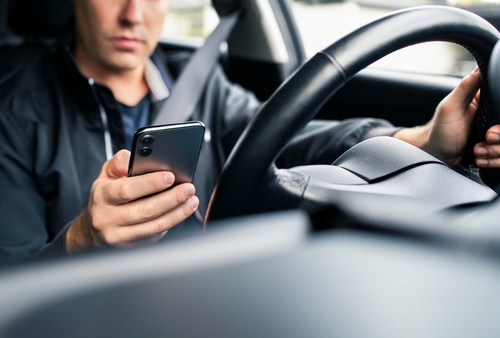
When you see those flashing lights in your rearview mirror and realize you were just holding your phone while driving, the sinking feeling hits hard. But if this is your second violation under South Carolina’s new hands-free law that took effect September 1, 2025, you’re facing more than just another warning. A $200 fine and two points on your driving record await you, and the implications stretch far beyond your wallet. Whether you were simply checking directions or unfortunately involved in an accident while using your phone, understanding your rights and options becomes crucial. The South Carolina Hands-Free and Distracted Driving Act represents a significant shift in how the state addresses distracted driving, with Governor McMaster emphasizing that "distracted driving has claimed far too many lives and caused countless collisions across our state."
💡 Pro Tip: If you’ve already received one warning or citation under the new law, immediately invest in hands-free technology for your vehicle. The cost of a phone mount or Bluetooth system is minimal compared to the $200 fine and potential insurance rate increases from points on your record.
Feeling the weight of a second phone violation or need guidance after an accident? Let Jeffcoat Injury and Car Accident Lawyers lend a helping hand. Reach out at (803) 200-2000 or contact us to explore your options and tackle these challenges head-on.
Your Rights Under the SC Hands-Free Act: More Protection Than You Might Think
Understanding your legal rights under South Carolina’s hands-free law can make all the difference if you’re facing that second violation. The law provides specific protections that many drivers don’t realize exist. Law enforcement officers must have reasonable suspicion based on their "clear and unobstructed view" of you unlawfully using your device while driving. They cannot stop you based on assumptions or unclear observations. Perhaps most importantly, officers cannot seize, search, or view your mobile device solely because of a hands-free violation. This protection extends even if they’ve witnessed the violation occurring. If you’ve been in an accident and are facing both a hands-free violation and potential liability issues, consulting with a car accident lawyer in South Carolina becomes essential to protect these rights.
The law also prohibits custodial arrests solely for hands-free violations, except in specific circumstances involving failure to appear in court or unpaid fines. These protections matter significantly when dealing with law enforcement, especially if your second violation occurred during or after an accident. A knowledgeable car accident lawyer in South Carolina can help ensure these rights are respected throughout any legal proceedings. The three-year lookback period for prior offenses means that only violations occurring within three years immediately preceding your last offense count toward the escalating penalty structure.
💡 Pro Tip: Always remain polite but firm about your rights during a traffic stop. You can respectfully decline requests to hand over or unlock your phone for inspection related to a hands-free violation. Document the interaction details immediately after the stop.
Critical Timeline: From Warning Period to Full Enforcement
The timeline of South Carolina’s hands-free law implementation directly impacts how your violation is handled and what penalties you face. During the initial 180-day warning period that began September 1, 2025, law enforcement issued only warnings for violations. However, starting February 28, 2026, the gloves come off with full enforcement including fines and points. Understanding where your violations fall on this timeline is crucial for determining your exposure to penalties and planning your legal strategy.
- September 1, 2025 – February 27, 2026: Warning period with no fines or points, allowing drivers to adjust their habits
- February 28, 2026 onward: Full enforcement begins with $100 first offense fines
- Second violations within three years trigger the $200 fine and two points on your driving record; the law uses a three-year lookback to determine prior offenses, but South Carolina computes points for suspension at full value for 12 months and at half value during months 12–24 (points are not counted for suspension after 24 months), which can still affect insurance rates
- Commercial drivers face federal-level consequences: two violations within three years while operating a commercial vehicle can result in a 60-day CDL disqualification
- The Department of Transportation has erected signs at every interstate ingress point to ensure drivers entering South Carolina are aware of the law
💡 Pro Tip: Mark February 28, 2026 on your calendar as the date when warnings end and real penalties begin. If you received warnings during the grace period, they shouldn’t count toward your violation history, but keep documentation to prove the dates.
When Phone Violations Lead to Accidents: How Jeffcoat Injury and Car Accident Lawyers Can Help
The intersection of hands-free violations and car accidents creates complex legal situations that require experienced guidance. If your second cell phone violation occurred during an accident, you’re facing more than just fines and points. Insurance companies often use hands-free violations as ammunition to deny claims or reduce settlements, arguing that your distracted driving caused the accident. This is where having a car accident lawyer in South Carolina becomes invaluable. Jeffcoat Injury and Car Accident Lawyers understands how the new SC Hands-Free Act impacts accident claims and can develop strategies to protect your interests despite the violation. The firm’s knowledge of both traffic law and personal injury claims provides the comprehensive representation needed when facing these dual challenges.
Even without an accident, that second violation’s two points can push some drivers dangerously close to the 12-point license suspension threshold in South Carolina. When combined with insurance rate increases that often follow points accumulation, the true cost of a second violation extends far beyond the $200 fine. Working with experienced legal counsel helps ensure all possible defenses are explored, from challenging the officer’s observation clarity to verifying proper citation procedures were followed.
💡 Pro Tip: Document everything immediately after receiving a citation, including weather conditions, traffic patterns, and exactly what you were doing with your phone. These details can be crucial for building a defense or negotiating reduced charges.
The Hidden Costs of Distracted Driving Violations in South Carolina
While the $200 fine for a second hands-free violation stings, it represents just the tip of the financial iceberg. Insurance companies in South Carolina typically view moving violations with points as serious risk indicators, often resulting in premium increases of 20-40% that last for three to five years. For the average South Carolina driver paying $1,500 annually for coverage, this could mean an extra $300-600 per year in insurance costs. When you calculate the long-term impact, that second violation could realistically cost you $1,500-3,000 over the next few years. Additionally, certain professions requiring clean driving records, from delivery drivers to real estate agents who drive clients, may face employment consequences from accumulating points.
Commercial Drivers Face Double Jeopardy
Commercial drivers operating under a CDL face particularly severe consequences under federal regulations. The SC Hands-Free Act violations count as "serious offenses" under federal regulation 49 CFR 383.51, meaning two violations within three years while operating a commercial vehicle triggers a mandatory 60-day CDL disqualification by the South Carolina Department of Motor Vehicles. This isn’t just about fines anymore – it’s about livelihood. For truck drivers, bus operators, and others depending on their CDL for income, a second violation could mean two months without work. Many will need a car accident lawyer in South Carolina to navigate both the state penalties and federal CDL implications, especially if an accident occurred during the violation.
💡 Pro Tip: Commercial drivers should implement strict personal policies about phone use, including pulling over for any necessary calls or texts. Consider informing dispatchers about South Carolina’s strict enforcement so they understand why immediate responses aren’t always possible.
Building Your Defense: Not All Phone Use Is Illegal
The South Carolina hands-free law contains specific exceptions that could form the basis of a valid defense. Understanding these exceptions helps drivers know when phone use remains legal and provides potential defenses if wrongly cited. Emergency calls to 911, law enforcement, medical providers, fire departments, or emergency services are permitted even while holding the phone. Additionally, drivers who are lawfully parked or stopped (subject to traditional parking/stop rules) can use their devices without restriction. GPS navigation remains legal if the device is mounted and doesn’t require holding. Voice-activated features that don’t require touching the phone are also permitted. If you believe your citation was issued despite falling under one of these exceptions, documenting the circumstances becomes crucial for your defense.
Technology Solutions and Compliance Strategies
Preventing that second violation requires embracing available technology and changing ingrained habits. Modern vehicles often include built-in Bluetooth connectivity, Apple CarPlay, or Android Auto, allowing hands-free operation of essential phone functions. For older vehicles, aftermarket solutions ranging from simple magnetic mounts to complete hands-free systems cost far less than a single fine. Voice assistants like Siri or Google Assistant enable text messaging, calling, and navigation without touching your device. South Carolina drivers should also consider apps that automatically respond to texts while driving, informing senders that you’re on the road and will respond when safely parked.
💡 Pro Tip: Practice using voice commands while parked to become comfortable with the technology before relying on it while driving. Many drivers don’t realize their phone’s full hands-free capabilities until forced to learn them.
Frequently Asked Questions
Understanding South Carolina’s Hands-Free Law
As South Carolina drivers adjust to the new hands-free requirements, questions naturally arise about what’s allowed, what’s prohibited, and when legal help becomes necessary. These answers address the most common concerns we’re seeing since the law took effect.
💡 Pro Tip: Save this FAQ section for quick reference, especially if you’ve already received one warning or citation. Knowing these answers helps avoid that costly second violation.
Navigating Violations and Legal Consequences
The escalating penalty structure and point system create legitimate concerns about long-term consequences. Understanding your options after receiving a citation helps you make informed decisions about fighting the charge versus accepting the penalties.
💡 Pro Tip: Always consult with a legal professional before simply paying a citation, especially for second offenses. What seems like the easier path might have longer-lasting consequences than fighting the charge.
1. Can I use my phone at red lights or stop signs under the South Carolina hands-free law?
The Hands-Free Act prohibits holding or supporting a mobile electronic device while operating a vehicle but expressly exempts drivers who are lawfully parked or stopped. Whether a particular stop qualifies as "lawfully stopped" depends on existing parking/stop rules (stopping or parking where it is prohibited will not be considered lawfully stopped), so a vehicle stopped in a location where stopping/parking is unlawful would not fall within the exception.
2. What happens if I get into an accident while violating the hands-free law?
An accident combined with a hands-free violation creates serious legal complications. Insurance companies may use the violation to argue you were at fault, potentially reducing or denying your claim. You’ll face both the traffic citation penalties and possible civil liability. Consulting with a car accident lawyer in South Carolina immediately helps protect your rights in both the criminal and civil aspects of your case.
3. How do warnings during the 180-day grace period affect my record?
Warnings issued between September 1, 2025, and February 27, 2026, should not count as prior offenses for penalty purposes. However, keep documentation of any warnings received during this period. If you receive a citation after February 28, 2026, having proof that earlier incidents were warnings, not citations, protects you from wrongly facing second-offense penalties.
4. Will a second hands-free violation affect my insurance rates?
For suspension purposes, South Carolina computes points at full value for 12 months and at half value during months 12–24; they are not counted for suspension after 24 months. The law’s three-year lookback for prior offenses is separate. Insurers may still consider convictions and violations when setting rates, and many insurers review driving records at renewal time—some drivers see premium increases of 30-40% after accumulating moving-violation points.
5. Should I hire a South Carolina Auto Accidents attorney for a second hands-free violation?
If your second violation involves an accident, commercial driving, or puts you close to license suspension due to point accumulation, legal representation becomes highly advisable. An experienced attorney can explore defenses, negotiate with prosecutors for reduced charges, and help minimize long-term consequences. Even for standalone violations, the combination of fines, points, and insurance implications often justifies professional legal assistance to protect your driving privileges and financial interests.
Work with a Trusted Auto Accidents Lawyer
When distracted driving citations intersect with accident claims, the stakes multiply quickly. Insurance companies aggressively use hands-free violations as evidence of fault, potentially devastating your ability to recover damages for injuries and vehicle repairs. South Carolina’s strict enforcement approach, championed by Department of Public Safety Director Robert Woods who stated officers "will strictly enforce this law," means prosecutors take these cases seriously too. Whether you’re facing a standalone second violation or dealing with accident-related complications, experienced legal representation helps level the playing field. A knowledgeable attorney understands both the technical requirements of the hands-free law and how violations impact civil liability, providing comprehensive defense strategies that address all aspects of your situation. Don’t let a momentary lapse in judgment while reaching for your phone derail your driving privileges or financial security.
Facing the stress of a second cell phone violation or caught in an accident? Let Jeffcoat Injury and Car Accident Lawyers ease the burden. Call us at (803) 200-2000 or simply contact us to discuss your next steps and safeguard your rights today.