
December 11, 2025 | Uncategorized
Your Motorcycle Crash May Have Been Caused by Equipment Violations You Never Knew About
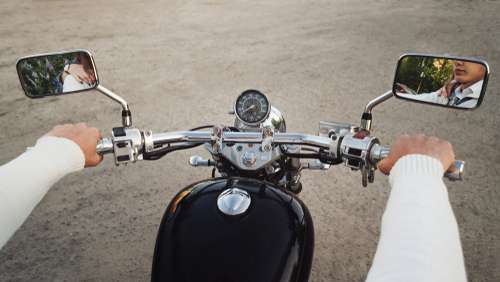
If you’ve been injured in a motorcycle crash in South Carolina, you might be surprised to learn that illegal handlebars could be the key to your injury claim. Modified handlebars that impair control or exceed commonly accepted safe positions aren’t just a minor equipment concern—they can significantly affect motorcycle control, visibility, and rider positioning during critical moments. While South Carolina does not currently have a statewide statutory handlebar-height limit, when another driver’s negligence combines with aftermarket or extreme handlebar modifications, determining fault becomes more complex, but understanding how to prove this connection can strengthen your case.
Many riders don’t realize that South Carolina does not currently have a statutory handlebar-height limit; however, the condition and configuration of handlebars are often considered by investigators and in civil cases because they can affect control and rider positioning. When handlebars are modified to extreme heights or configurations, they can compromise your ability to react quickly to road hazards or other drivers’ mistakes. Evidence about handlebar configuration doesn’t excuse another driver’s negligence, but it can become a crucial factor in establishing causation—the legal link between the crash and your injuries.
💡 Pro Tip: Document everything about your motorcycle’s condition immediately after a crash, including detailed photos of the handlebars from multiple angles. This evidence becomes critical if handlebar configuration or other equipment issues become part of your case.
If you’re navigating the complex waters of a motorcycle accident claim in South Carolina, let Jeffcoat Injury and Car Accident Lawyers steer you toward clarity and justice. Our team makes sure that equipment issues like extreme or aftermarket handlebars don’t overshadow another party’s negligence. Reach out today at (803) 200-2000 or contact us for a personalized consultation.
Understanding Causation and Equipment Violations in South Carolina Motorcycle Crashes
Proving your case requires establishing both actual cause and proximate cause—two distinct legal concepts that determine liability. Actual cause means showing that "but for" the handlebars’ configuration, the accident wouldn’t have occurred or wouldn’t have been as severe. A South Carolina motorcycle accident lawyer understands that equipment issues add another layer to traditional negligence claims, requiring careful documentation of how modified handlebars contributed to the crash dynamics.
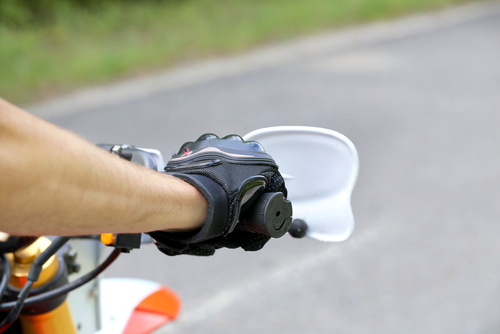
South Carolina’s motorcycle equipment requirements exist to protect riders and other road users. South Carolina does not currently have a statutory handlebar‑height limit; nonetheless, when handlebars are modified to extreme or nonstandard positions they can affect weight distribution, steering response, and the rider’s ability to maintain proper control. These configurations become particularly significant when combined with other factors like excessive speed, impaired driving, or failure to yield right-of-way. Understanding state motorcycle equipment requirements helps establish the foundation for proving how aftermarket or extreme modifications contributed to your injuries.
The challenge lies in demonstrating causation in personal injury cases involving multiple contributing factors. While the other driver’s negligence may be the primary cause, extreme handlebar modifications can be a substantial contributing factor that affects both liability determination and damage calculations. Insurance companies often dispute these claims, arguing that equipment issues shift blame to the injured rider, making experienced legal representation essential.
💡 Pro Tip: Request a copy of the official crash report and check if the investigating officer noted any equipment concerns. This official documentation carries significant weight in legal proceedings.
The 5 Critical Steps to Prove Illegal Handlebars Caused Your Crash
Building a successful case requires following a strategic approach that addresses both the equipment configuration and its role in causing your injuries. These steps help establish the crucial link between extreme handlebars and the crash, strengthening your position for fair compensation. Each step builds upon the previous one, creating a comprehensive narrative that demonstrates how equipment configuration contributed to the accident.
- Step 1: Document the Handlebar Configuration – Measure and photograph the handlebars’ height relative to the seat and shoulder position. South Carolina does not currently have a statutory handlebar-height limit, but experts commonly measure handlebar position with the rider seated (hands on the grips, feet on the pegs) and precise measurements can be crucial evidence.
- Step 2: Obtain Expert Mechanical Analysis – Have a certified motorcycle mechanic inspect the bike and provide written documentation about how the handlebar configuration affects control and stability, particularly noting any aftermarket modifications.
- Step 3: Gather Witness Statements – Collect testimony from witnesses who observed the crash, specifically asking about the motorcycle’s handling characteristics or any unusual riding position they noticed before impact.
- Step 4: Analyze Crash Dynamics – Work with accident reconstruction specialists who can demonstrate how handlebar configuration affected your ability to avoid or minimize the collision, using physics and engineering principles.
- Step 5: Connect Equipment Configuration to Injuries – Medical experts can explain how the altered riding position caused by extreme handlebars contributed to specific injury patterns, establishing the causal link between the configuration and your damages.
💡 Pro Tip: Start gathering evidence immediately—insurance companies begin their investigations within hours of a crash, and critical evidence can disappear quickly.
How a South Carolina Motorcycle Accident Lawyer Builds Your Equipment Issue Case
Successfully proving that handlebar configuration contributed to your crash requires more than just pointing out a nonstandard modification. Jeffcoat Injury and Car Accident Lawyers understands the complexities of motorcycle accident cases involving equipment configurations and knows how to counter insurance company tactics that blame riders for modifications. The firm’s approach combines technical expertise with thorough investigation to demonstrate how equipment issues amplified the consequences of another driver’s negligence.
Insurance companies often attempt to shift blame entirely to riders with modified motorcycles, but South Carolina follows a modified comparative negligence rule. Under South Carolina’s approach, a plaintiff may recover so long as the plaintiff is not more than 50% at fault, and any award is reduced by the plaintiff’s percentage of fault. Even if extreme handlebars contributed to the crash, you may still recover damages if another party’s negligence was the primary cause. Working with a South Carolina motorcycle accident lawyer who understands these nuances ensures that equipment configurations are properly contextualized within the broader liability picture, rather than becoming an excuse to deny your claim entirely.
The resolution process involves careful negotiation backed by solid evidence. Your attorney will need to consult a lawyer familiar with both motorcycle dynamics and state equipment considerations to build a compelling case. This includes working with accident reconstruction experts, mechanical engineers, and medical professionals who can explain exactly how the handlebar configuration interacted with other crash factors to cause your specific injuries.
💡 Pro Tip: Don’t accept initial settlement offers that cite equipment configuration as a reason for reduced compensation—these first offers rarely reflect the true value of your case.
Critical Evidence That Proves How Handlebar Configurations Impact Crash Severity
Understanding the biomechanics of motorcycle control helps establish causation when extreme handlebars are involved. Handlebars set in nonstandard positions force riders into unnatural postures that can compromise reaction time and control authority. This becomes particularly dangerous in emergency situations where split-second decisions determine outcomes. A South Carolina motorcycle accident attorney can demonstrate how these equipment configurations transform what might have been a minor incident into a serious crash.
The most compelling evidence often comes from comparative analysis. By showing how the same crash scenario would have unfolded with a more typical handlebar configuration, experts can quantify the additional risk created by the modification. This might include computer simulations, test rides with similar motorcycles, or engineering calculations that demonstrate reduced braking efficiency or steering response with extreme modifications.
Documenting Pre-Crash Motorcycle Condition
Establishing the motorcycle’s condition before the crash strengthens causation arguments. This includes maintenance records, modification receipts, photographs from before the accident, and testimony from people familiar with the bike. When riders can show that handlebars were recently modified or that they purchased the motorcycle with existing modifications, it helps establish the timeline and demonstrates that the equipment issue existed before the crash. Social media posts showing the motorcycle can provide dated evidence of equipment configurations.
💡 Pro Tip: Check your phone for any photos or videos of your motorcycle from before the crash—these timestamped images can prove invaluable in establishing equipment condition.
Insurance Company Tactics and Motorcycle Equipment Defense Strategies
Insurance adjusters receive specific training on using equipment configurations to reduce claim values. They understand that jurors might view modified motorcycles negatively, associating them with reckless behavior even when modifications have nothing to do with the crash cause. Motorcycle equipment issues and South Carolina laws are often misrepresented to suggest that any modification automatically shifts fault to the rider, but this oversimplification ignores the legal requirement to prove actual causation.
Common defense strategies include hiring their own experts to exaggerate the impact of handlebar position on crash dynamics or arguing that riders assume all risks when modifying their motorcycles. These tactics aim to discourage legitimate claims by creating doubt about causation. However, handlebar configuration must be analyzed in context—a minor or common modification doesn’t excuse a drunk driver running a red light or a distracted driver failing to check blind spots.
Countering Equipment Configuration Defenses
Successfully countering these defenses requires proactive evidence gathering and strategic presentation. This includes obtaining manufacturer specifications showing that many motorcycles come with handlebars near common positions, demonstrating that slight modifications don’t significantly impact control. Additionally, showing compliance with other safety requirements—like wearing DOT-compliant helmets or maintaining proper tire pressure—helps establish that the rider prioritized safety despite one equipment issue.
💡 Pro Tip: Keep all receipts and documentation for motorcycle modifications, even if they seem unrelated to handlebars—this shows transparency about your bike’s condition.
Frequently Asked Questions
Legal Questions About Motorcycle Equipment Configurations and Crash Claims
Understanding how equipment configurations affect your legal rights helps you make informed decisions about your case. These common questions address concerns riders face when extreme handlebars become part of their injury claim.
💡 Pro Tip: Write down all your questions before meeting with an attorney—motorcycle equipment cases involve technical details that are easy to forget in the moment.
Next Steps After a Motorcycle Crash Involving Equipment Issues
Taking the right actions immediately after a crash can significantly impact your ability to prove causation and recover fair compensation. Understanding the process helps reduce stress and ensures you protect your rights.
💡 Pro Tip: Create a dedicated file for all crash-related documents, including photos, receipts, medical records, and correspondence—organization strengthens your case presentation.
1. Can I still recover damages if my handlebars exceeded South Carolina’s legal height limit?
Yes, you may still recover damages under South Carolina’s modified comparative negligence rule so long as you are not more than 50% at fault; any award is reduced by your percentage of fault. Note that South Carolina does not currently have a statewide statutory handlebar‑height limit, so claims framed as "exceeding the legal height limit" under state law are generally misplaced, although opposing counsel and insurers commonly emphasize equipment issues to try to shift fault.
2. What are South Carolina motorcycle equipment requirements for handlebar height?
South Carolina does not currently have a statutory handlebar‑height limit. Nonetheless, in crash investigations and litigation, experts often measure handlebar position with the rider seated (hands on the grips, feet on the pegs) and use precise measurements as evidence to argue how handlebar configuration affected control and crash dynamics.
3. How do motorcycle defect injury claims differ from equipment configuration cases?
Defect claims involve manufacturing or design flaws that make motorcycles unreasonably dangerous, while equipment configuration issues involve aftermarket modifications or nonstandard setups that may affect safety. Defect claims target manufacturers, while configuration cases focus on how modifications contributed to crash severity when combined with another party’s negligence.
4. What evidence do I need to prove handlebar configuration didn’t cause my motorcycle accident?
You’ll need accident reconstruction analysis showing the primary cause was another driver’s negligence, witness statements about the other driver’s actions, mechanical expert testimony explaining that handlebar position had minimal impact on the crash dynamics, and medical evidence linking your injuries to the collision forces rather than riding position.
5. Should I consult a lawyer if insurance claims my modified handlebars caused the crash?
Absolutely. Insurance companies use equipment issues to minimize payouts, but an experienced attorney can properly establish causation and demonstrate that another driver’s negligence was the primary factor. Don’t accept blame or reduced compensation without understanding your full legal rights under South Carolina law.
Work with a Trusted Motorcycle Accident Lawyer
Proving that handlebar configuration contributed to your motorcycle crash without accepting full blame requires technical knowledge and strategic legal representation. The right attorney understands both motorcycle dynamics and South Carolina’s equipment considerations, building cases that acknowledge configuration issues while maintaining focus on the primary negligent party. This balanced approach often leads to better outcomes than either denying equipment concerns or accepting excessive blame.
Jeffcoat Injury and Car Accident Lawyers brings comprehensive experience handling complex motorcycle accident cases throughout South Carolina. The firm’s approach combines thorough investigation with strategic negotiation, ensuring that equipment configurations are properly contextualized rather than becoming excuses for claim denials. By working with technical experts and maintaining focus on establishing proper causation, they help injured riders recover fair compensation despite complicating factors like handlebar modifications.
Don’t let complex legal waters leave you adrift if you’re involved in a motorcycle crash in South Carolina. Jeffcoat Injury and Car Accident Lawyers is here to help navigate the twists and turns, ensuring that extreme or aftermarket handlebars don’t overshadow the real causes of your accident. Call us today at (803) 200-2000 or contact us for a personalized consultation.