
August 4, 2025 | Motorcycle Accidents

The Shocking Reality of Motorcycle Safety in South Carolina
In South Carolina, only 36% of motorcyclists who die in crashes are wearing helmets—a statistic that reveals a dangerous trend with serious legal implications for injury claims. If you’ve been injured in a motorcycle accident, whether you were wearing a helmet or not, this low compliance rate affects how insurance companies, judges, and juries view your case. The choice to ride without a helmet is legal for riders over 21 in South Carolina, but that freedom comes with consequences that extend far beyond safety concerns and directly impact your ability to recover fair compensation after an accident.
???? Pro Tip: Document your helmet use immediately after any motorcycle accident—take photos of your helmet and have witnesses confirm whether you were wearing it, as this evidence becomes crucial during settlement negotiations.
Don’t let helmet statistics cloud your path to justice. At Jeffcoat Injury and Car Accident Lawyers, we focus on the facts that matter—your right to fair compensation. Reach out to us at (803) 200-2000 or contact us today to ensure your voice is heard.
Understanding South Carolina’s Helmet Laws and Your Legal Rights
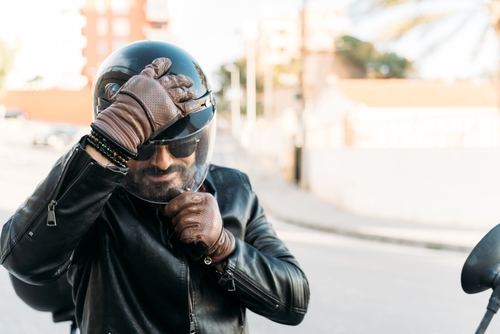
South Carolina’s motorcycle helmet law allows riders 21 and older to choose whether to wear a helmet, but this freedom creates complex legal situations when accidents occur. Under South Carolina Code Section 56-5-3660, riders under 21 must wear helmets, while adult riders can make their own choice. However, insurance companies often use helmet non-use as leverage to reduce settlements, arguing that injuries would have been less severe with proper head protection. A South Carolina motorcycle accident lawyer understands how to counter these arguments by focusing on the actual cause of the accident rather than allowing helmet use to overshadow liability issues. The law recognizes that choosing not to wear a helmet doesn’t give other drivers permission to drive negligently, and your right to compensation remains intact regardless of your helmet choice.
???? Pro Tip: Keep detailed records of your motorcycle safety gear purchases and any motorcycle safety courses you’ve completed—this evidence of responsible riding can help offset negative assumptions about helmet non-use.
The Timeline of a Motorcycle Accident Claim in South Carolina
Understanding the timeline of your motorcycle accident claim helps you prepare for what lies ahead and ensures you don’t miss critical deadlines. South Carolina’s legal process for motorcycle accident claims involves several key phases, each with specific requirements and opportunities to strengthen your case. Working with a South Carolina motorcycle accident lawyer ensures you meet all deadlines while building the strongest possible claim for compensation.
- Immediate aftermath (0-72 hours): Seek medical treatment, report the accident to police, and document all injuries—even if you weren’t wearing a helmet, prompt medical care shows you took your injuries seriously
- Investigation phase (1-4 weeks): Your attorney gathers evidence, interviews witnesses, and obtains the official accident report while you focus on medical treatment
- Insurance negotiations (1-6 months): Initial settlement discussions begin, where helmet use often becomes a contentious issue requiring skilled legal advocacy
- Filing deadline approaching (6 months-3 years): South Carolina’s three-year statute of limitations means you must file a lawsuit within this timeframe or lose your right to compensation forever
- Litigation phase (6 months-2 years after filing): If settlement fails, your case proceeds through discovery, depositions, and potentially trial
???? Pro Tip: Start a daily journal immediately after your accident documenting pain levels, mobility issues, and how injuries affect your daily life—this contemporaneous evidence proves invaluable during settlement negotiations.
How a South Carolina Motorcycle Accident Lawyer Protects Your Claim Despite Helmet Statistics
When insurance companies see that only 36% of fatal motorcycle crash victims wear helmets, they often assume every helmetless rider shares blame for their injuries. Jeffcoat Injury and Car Accident Lawyers knows how to combat these biased assumptions by building cases that focus on the negligent driver’s actions rather than the motorcyclist’s helmet choice. Our approach involves demonstrating that your injuries resulted from the other party’s negligence—whether they failed to yield, drove distracted, or violated traffic laws. We gather evidence showing that many injuries in motorcycle accidents involve areas of the body that helmets don’t protect, such as broken bones, internal injuries, and road rash. By working with accident reconstruction experts and medical professionals, we prove the true cause and extent of your injuries, ensuring that helmet use doesn’t unfairly reduce your compensation.
???? Pro Tip: Never admit to insurance adjusters that you “usually” wear a helmet if you weren’t wearing one during the accident—stick to facts about the specific incident without volunteering information about past riding habits.
The Real Impact of Helmet Use on Injury Compensation
While South Carolina law doesn’t require adult riders to wear helmets, the choice significantly impacts how injury claims unfold. Insurance companies routinely argue for reduced compensation when riders aren’t wearing helmets, claiming “comparative negligence” even when the other driver clearly caused the accident. A South Carolina motorcycle accident lawyer must address these arguments head-on by demonstrating that helmet use—or lack thereof—didn’t contribute to the accident’s occurrence. The key lies in separating the cause of the crash from the severity of injuries, showing that the negligent driver bears full responsibility for creating the dangerous situation.
Overcoming Bias Against Helmetless Riders
Juries often carry unconscious bias against motorcyclists who choose not to wear helmets, viewing them as reckless or careless. This perception can unfairly influence damage awards even when the law supports the rider’s right to choose. Experienced attorneys counter this bias by humanizing their clients, showing them as responsible community members who simply exercised their legal right under South Carolina law. We present evidence of safe riding history, motorcycle training certifications, and responsible behavior in other aspects of life to combat stereotypes.
???? Pro Tip: If you regularly participate in motorcycle safety groups or charity rides, document this involvement—it demonstrates your commitment to motorcycle safety beyond just helmet use.
Common Injuries When Helmets Aren’t Worn and Their Legal Implications
The absence of a helmet in a motorcycle accident often leads to specific types of injuries that require specialized legal strategies. Traumatic brain injuries, skull fractures, and facial injuries occur more frequently among riders without helmets, and insurance companies aggressively use this fact to minimize payouts. However, a skilled South Carolina motorcycle accident lawyer knows that many factors beyond helmet use contribute to injury severity, including impact speed, angle of collision, and whether the rider was thrown from the motorcycle. We work with medical experts who can testify about injury causation, showing when injuries would have occurred regardless of helmet use.
Building Strong Cases Despite Head Injuries
When head injuries occur in helmetless riders, the legal strategy must acknowledge this reality while still pursuing full compensation. South Carolina follows a modified comparative negligence rule, meaning you can recover damages as long as you’re less than 51% at fault. Even if a jury finds that not wearing a helmet contributed to your injuries, you may still recover substantial compensation if the other driver’s negligence primarily caused the accident. The key is presenting evidence that shows the other driver’s actions—not your helmet choice—created the dangerous situation leading to your injuries.
???? Pro Tip: Obtain your medical records quickly and have them reviewed by a neurologist who can differentiate between injuries that a helmet would have prevented versus those that would have occurred anyway.
Why Insurance Companies Exploit the 36% Helmet Use Statistic
Insurance companies weaponize South Carolina’s low helmet use statistics to create doubt about every motorcycle accident claim. They argue that riders who don’t wear helmets accept additional risk and therefore deserve less compensation—a strategy that ignores the actual law and facts of each case. These companies train adjusters to immediately ask about helmet use and to document any admission of riding without protection. A South Carolina motorcycle accident lawyer anticipates these tactics and prepares counterarguments that refocus attention on the negligent driver’s actions rather than the motorcyclist’s legal choice regarding helmet use.
Protecting Your Rights Against Insurance Company Tactics
Insurance adjusters often imply that choosing not to wear a helmet automatically reduces your claim value, but South Carolina law doesn’t support this position. The law recognizes that adults have the right to make informed decisions about helmet use, and exercising this right doesn’t diminish your legal protections when another driver’s negligence causes an accident. Your attorney must aggressively challenge any attempt to blame you for injuries when the other driver violated traffic laws, drove distracted, or otherwise created the hazardous situation. By maintaining focus on the actual cause of the accident rather than helmet use, we protect your right to full compensation under South Carolina law.
???? Pro Tip: Record all conversations with insurance adjusters and never agree to provide a recorded statement without your attorney present—seemingly innocent questions about helmet use can be used against you later.
Frequently Asked Questions
Common Legal Concerns About Helmet Use and Motorcycle Claims
Understanding how helmet use affects your legal rights helps you make informed decisions about your motorcycle accident claim. These questions address the most common concerns riders face when pursuing compensation.
???? Pro Tip: Write down all your questions before meeting with an attorney—the stress of an accident can make it easy to forget important concerns during your consultation.
Next Steps After a Motorcycle Accident
Taking the right steps after a motorcycle accident protects both your health and your legal rights. Quick action preserves evidence and strengthens your position during negotiations.
???? Pro Tip: Keep a folder with all accident-related documents, including medical bills, police reports, and correspondence with insurance companies—organization helps your attorney build a stronger case.
1. Can I still recover damages if I wasn’t wearing a helmet during my South Carolina motorcycle accident?
Yes, you can still recover damages even if you weren’t wearing a helmet. South Carolina law allows riders 21 and older to choose whether to wear helmets, and exercising this legal right doesn’t eliminate your ability to seek compensation. However, insurance companies may argue that your injuries were worse because you weren’t wearing a helmet, potentially reducing your settlement through comparative negligence principles.
2. How does South Carolina’s comparative negligence law affect helmetless riders?
South Carolina follows a modified comparative negligence rule with a 51% bar. This means you can recover damages as long as you’re less than 51% at fault for your injuries. If a jury determines that not wearing a helmet contributed 20% to your head injuries, your compensation would be reduced by 20%, but you’d still recover 80% of your damages.
3. What evidence helps overcome bias against riders who don’t wear helmets?
Strong evidence includes witness statements about the other driver’s negligence, accident reconstruction showing the severity of impact, medical expert testimony about injury causation, and documentation of your responsible riding history. Photos showing the accident scene, vehicle damage, and road conditions also help shift focus from helmet use to the actual cause of the crash.
4. Should I tell the insurance company whether I was wearing a helmet?
You should be truthful about helmet use if directly asked, but don’t volunteer information or elaborate beyond yes or no answers. Never speculate about whether a helmet would have prevented your injuries or admit that you “usually” wear one but forgot that day. Let your attorney handle detailed discussions about helmet use and its relevance to your claim.
5. How long do I have to file a motorcycle accident lawsuit in South Carolina?
South Carolina’s statute of limitations gives you three years from the date of your motorcycle accident to file a personal injury lawsuit. However, waiting too long can hurt your case as evidence disappears and witnesses forget details. Contact a South Carolina motorcycle accident attorney as soon as possible to preserve your rights and begin building your case while evidence remains fresh.
Work with a Trusted Motorcycle Accident Lawyer
Motorcycle accident cases involving helmet use require attorneys who understand both the law and the biases riders face. The right legal representation makes the difference between accepting a lowball settlement and recovering full compensation for your injuries. When choosing an attorney, look for experience specifically with motorcycle accidents, knowledge of South Carolina’s helmet laws, and a track record of overcoming insurance company tactics that blame riders for their injuries.
Don’t let the complexities of helmet laws and insurance claims leave you in the dust. At Jeffcoat Injury and Car Accident Lawyers, we’re here to help you navigate the road to fair compensation. Give us a call at (803) 200-2000 or contact us today to ensure your rights are protected.