
May 21, 2026 | Personal Injury
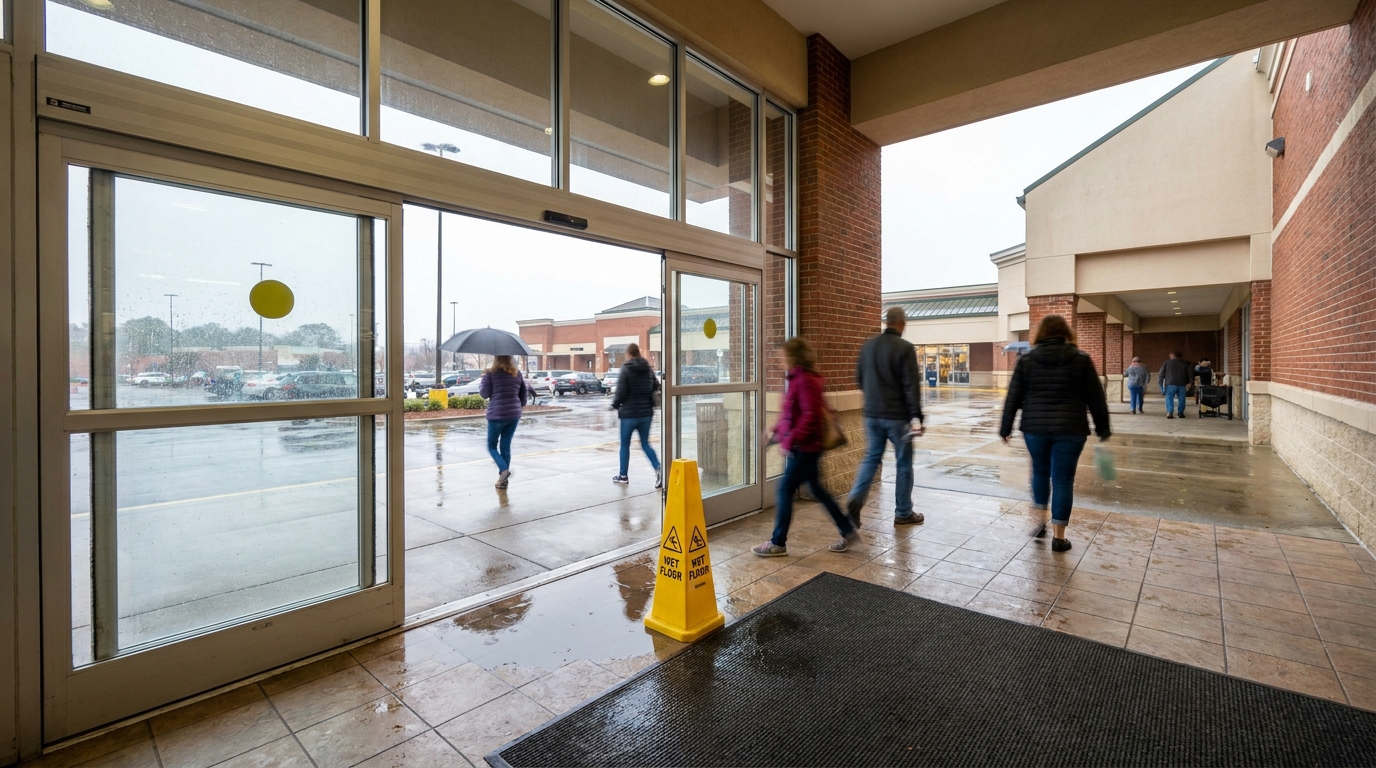
Premises liability holds property owners and occupants responsible when dangerous conditions on their property cause harm. If you slipped on a wet floor in a Columbia grocery store, tripped over broken pavement at a shopping center, or suffered an injury due to poor lighting in a parking garage, you may have grounds to pursue a premises liability claim in South Carolina. These cases hinge on proving that the property owner knew or should have known about a hazard and failed to fix it or warn visitors.
If you were injured on someone else’s property in Columbia or anywhere in South Carolina, Jeffcoat Injury and Car Accident Lawyers can help you understand your legal options. Call (803) 200-2000 or contact us today for a free consultation.
How a Premises Liability Lawsuit in South Carolina Works
To succeed in a premises liability lawsuit in South Carolina, an injured person must prove four legal elements: duty, breach, causation, and damages. The property owner or occupant owed a duty of care to the visitor, failed to meet that duty by allowing a dangerous condition to exist, and that failure directly caused the visitor’s injuries. The duty owed can depend on the visitor’s status, whether they were an invited customer, social guest, or trespasser.
South Carolina courts examine whether the property owner acted reasonably under the circumstances. A store owner who ignores a spill for hours may be treated differently than one who had no opportunity to discover the hazard. Evidence such as surveillance footage, maintenance logs, and incident reports can establish what the owner knew and when. If you were injured on property in South Carolina, gathering this documentation early strengthens your case.
💡 Pro Tip: Take photos of the hazard, your injuries, and the surrounding area immediately after an incident. This evidence can disappear quickly as property owners make repairs.
Common Types of Premises Liability Injuries in Columbia, SC
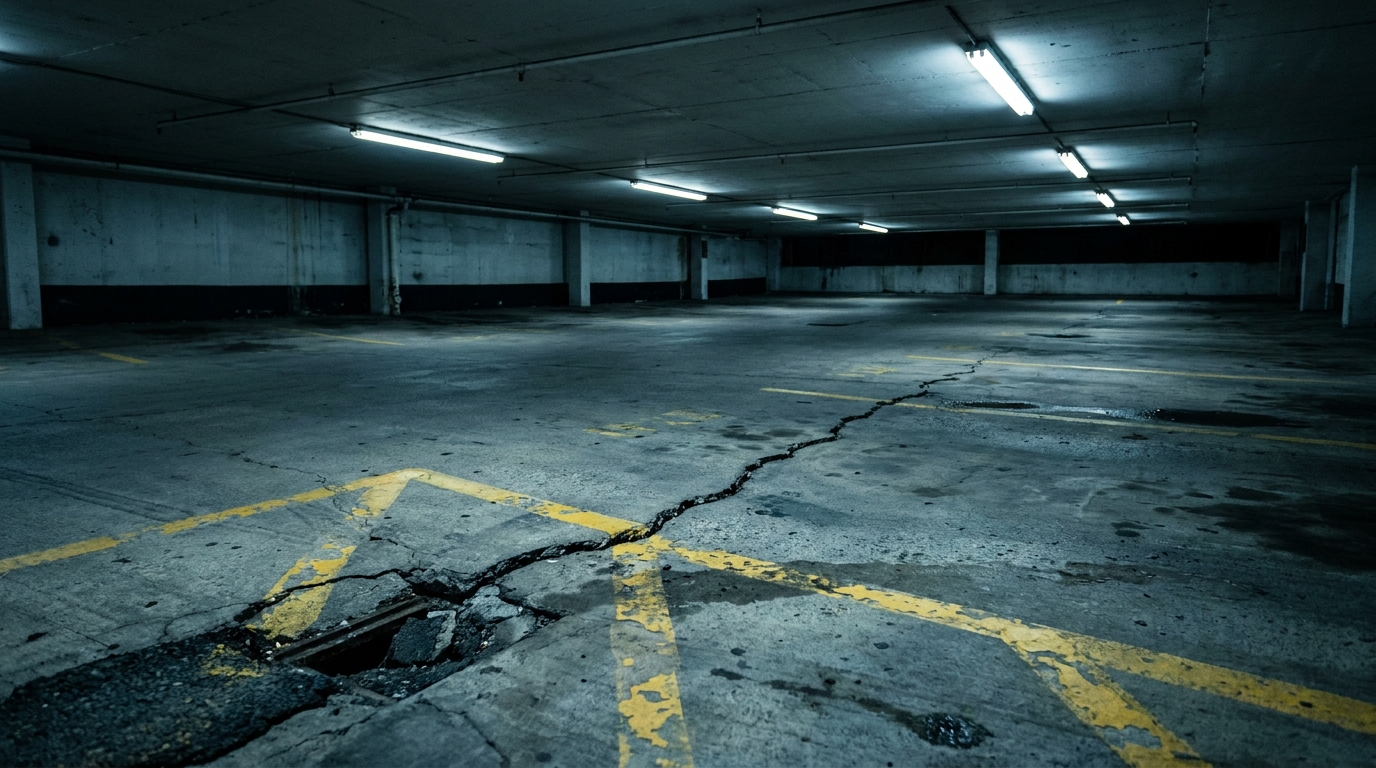
Premises liability covers a wide range of incidents beyond typical slip and fall accidents. In Columbia and surrounding areas like Lexington, Blythewood, and Orangeburg, common scenarios include:
- Slip and fall accidents caused by wet floors, uneven surfaces, or icy walkways
- Injuries from falling merchandise or collapsing shelving in retail stores
- Swimming pool accidents due to lack of fencing or supervision
- Dog bites on an owner’s property
- Assaults in parking lots or apartment complexes with inadequate security
- Elevator or escalator malfunctions
Each situation requires careful examination to determine whether the property owner breached their duty of care. Injuries can range from broken bones and head trauma to spinal cord damage. According to the CDC’s data on nonfatal injuries, falls remain one of the leading causes of emergency department visits nationwide.
The South Carolina Statute of Limitations for Premises Liability Claims
Time limits matter in every personal injury case. Under S.C. Code § 15-3-530(5), South Carolina imposes a three-year statute of limitations for personal injury claims, including premises liability. You generally have three years from the date of injury to file a lawsuit. Property damage claims also carry a three-year deadline under S.C. Code § 15-3-530(3).
Missing this deadline can result in losing your right to seek compensation entirely. In limited circumstances, the statute may be tolled. Under S.C. Code § 15-3-30, if the responsible person is out of state when the cause of action accrues, the limitations period may pause until they return. However, courts interpret tolling exceptions narrowly, and you should not assume any extension applies without consulting an attorney.
💡 Pro Tip: Starting early helps preserve evidence and witness memories. The sooner you document the scene and seek medical attention, the stronger your case.
Claims Against Government-Owned Properties
If your injury occurred on government-owned property, different rules apply. South Carolina’s Tort Claims Act, S.C. Code § 15-78-20, establishes that the state and its political subdivisions are only liable within the limitations set by that chapter. This means premises liability claims against government entities follow specific procedures and shorter notice deadlines. If you were hurt at a public venue, you can learn more about injuries at the South Carolina State Museum.
💡 Pro Tip: Government claim deadlines are often shorter than the standard three-year statute of limitations. Seek legal guidance immediately if injured on public property.
How Comparative Negligence Affects Your Premises Liability Claim SC
South Carolina follows modified comparative negligence, examining the injured person’s conduct alongside the property owner’s negligence. Under S.C. Code § 15-38-15(C)(2), a jury determines the plaintiff’s percentage of fault and reduces damages accordingly. If you are found 20% at fault for not watching where you walked, your damages are reduced by 20%. If you are 51% or more at fault, you are barred from recovering any damages.
This system also governs how liability is divided when multiple parties share fault. The South Carolina Contribution Among Tortfeasors Act, codified at S.C. Code Title 15, Chapter 38, provides that a defendant whose fault is less than 50% is only liable for their proportional share under S.C. Code § 15-38-15(A). However, a defendant 50% or more at fault may be held jointly and severally liable for the full amount.
What Damages Can You Recover?
If you prevail in a premises liability case, you may recover both economic and noneconomic damages. Economic damages include medical bills, lost wages, and rehabilitation costs. Noneconomic damages cover pain and suffering, emotional distress, and loss of enjoyment of life. While general premises liability claims are not subject to statutory caps on noneconomic damages, the Tort Claims Act imposes damage limits on claims against government entities.
| Type of Damages | Examples |
|---|---|
| Economic | Medical expenses, lost income, future care costs |
| Noneconomic | Pain and suffering, emotional distress, loss of enjoyment |
| Property Damage | Damaged personal belongings, assistive devices |
Defenses Property Owners May Raise in a Premises Liability Lawsuit South Carolina
Property owners and their insurance companies frequently raise defenses to reduce or eliminate liability. Understanding these defenses helps you anticipate challenges and prepare accordingly.
The Recreational Use Defense
One common defense involves South Carolina’s Recreational Use Statute, S.C. Code § 27-3-10 et seq. This law limits liability for landowners who make their land available to the public for recreational purposes without charging a fee. Covered activities include hunting, fishing, swimming, boating, camping, hiking, and water skiing, among others, as listed in S.C. Code § 27-3-20(d). Subsection (e) of § 27-3-20 defines "charge" as the admission price or fee asked in return for invitation or permission to enter or go upon the land. If no charge was made, the owner’s liability protections generally apply.
The definition of "owner" under this statute is broad. S.C. Code § 27-3-20(c) includes fee interest holders, tenants, lessees, occupants, easement holders, and persons in control of the premises.
Comparative Fault and Assumption of Risk
Insurance adjusters may argue that you were partially or fully responsible for your injuries. They might claim you were distracted, ignored warning signs, or were in a restricted area. While South Carolina’s modified comparative negligence rules allow for partial fault, if the jury determines you were 51% or more at fault, you are barred from recovery. If your fault is 50% or less, damages are reduced proportionally.
💡 Pro Tip: Be cautious about giving recorded statements to insurance adjusters before speaking with an attorney. Adjusters may use your words to argue comparative fault and reduce your claim’s value.
Steps to Take After Being Injured on Property in South Carolina
What you do after a property injury can significantly affect your case’s outcome. Taking the right steps protects both your health and legal rights.
- Report the incident to the property owner or manager and request a written copy
- Seek medical attention immediately, even if injuries seem minor
- Photograph the hazardous condition, your injuries, and any relevant signage
- Collect names and contact information from witnesses
- Keep all medical records, receipts, and documentation of lost wages
- Consult a personal injury attorney before accepting any settlement offer
Preserving evidence is critical because property owners may repair hazards quickly. Without documentation, proving what conditions existed at the time of your injury becomes difficult. Medical records also create a direct link between the incident and your injuries, essential for establishing causation.
Frequently Asked Questions
1. How long do I have to file a premises liability lawsuit in South Carolina?
Under S.C. Code § 15-3-530(5), you generally have three years from the date of injury to file a personal injury claim. Property damage claims also carry a three-year deadline under S.C. Code § 15-3-530(3). Claims against government entities may have shorter deadlines under the South Carolina Tort Claims Act.
2. Can I still recover damages if I was partially at fault for my injury?
Yes, but only if your share of fault is 50% or less. South Carolina’s modified comparative negligence system under S.C. Code § 15-38-15(C)(2) reduces your award by your percentage of responsibility. If you are 51% or more at fault, you are barred from recovering damages.
3. Does premises liability apply to government-owned properties in South Carolina?
It can, but under different rules. S.C. Code § 15-78-20 establishes that the state and its political subdivisions are only liable within the Tort Claims Act’s limitations. Specific notice requirements and damage caps may apply.
4. What is the Recreational Use Statute, and could it affect my case?
South Carolina’s Recreational Use Statute, S.C. Code § 27-3-10 et seq., limits liability for landowners who allow free public access for recreational activities like hiking, fishing, or camping. If the landowner did not charge an admission fee, this defense may reduce or bar recovery.
5. What types of evidence help prove a premises liability claim?
Photographs of the hazard, surveillance footage, maintenance records, incident reports, witness statements, and medical documentation linking your injuries to the accident are all valuable. Collecting evidence promptly is important because conditions can change quickly.
Protecting Your Rights After a Property Injury in Columbia
A premises liability claim in South Carolina involves navigating complex legal rules around duty of care, comparative fault, government immunity, and statutory defenses. The facts of each case matter enormously, and outcomes depend on the strength of evidence and specific circumstances surrounding your injury. Whether you were hurt at a retail store, apartment complex, or public facility in Columbia, understanding these legal principles helps you pursue fair compensation.
If you or a loved one suffered an injury due to a dangerous property condition, Jeffcoat Injury and Car Accident Lawyers is ready to help. Call (803) 200-2000 or reach out online to discuss your case today.