
June 24, 2025 | Truck Accident Lawyer Near Me Columbia, SC \ Truck Accidents

Surviving the Aftermath: Understanding Your Rights After a Fatal Truck Accident
Interstate highways in South Carolina have become increasingly dangerous zones for motorists, with a staggering 73% of fatal semi-truck accidents occurring on these high-speed corridors. Behind this statistic are real families whose lives have been forever altered by the devastating consequences of these crashes. The sudden loss of a loved one in a truck accident creates an overwhelming combination of grief, confusion, and urgent questions about legal rights and next steps. If you’re facing this unimaginable situation, understanding the unique aspects of truck accident cases and your legal options is crucial for protecting your family and seeking justice for your loved one.
When the unthinkable happens on South Carolina’s highways, Jeffcoat Injury and Car Accident Lawyers stand ready to help you navigate the legal maze. Reach out to us at 803-573-0869 or contact us to ensure your family’s rights are protected and justice is pursued.
Understanding Your Legal Rights After a Fatal Truck Accident in South Carolina
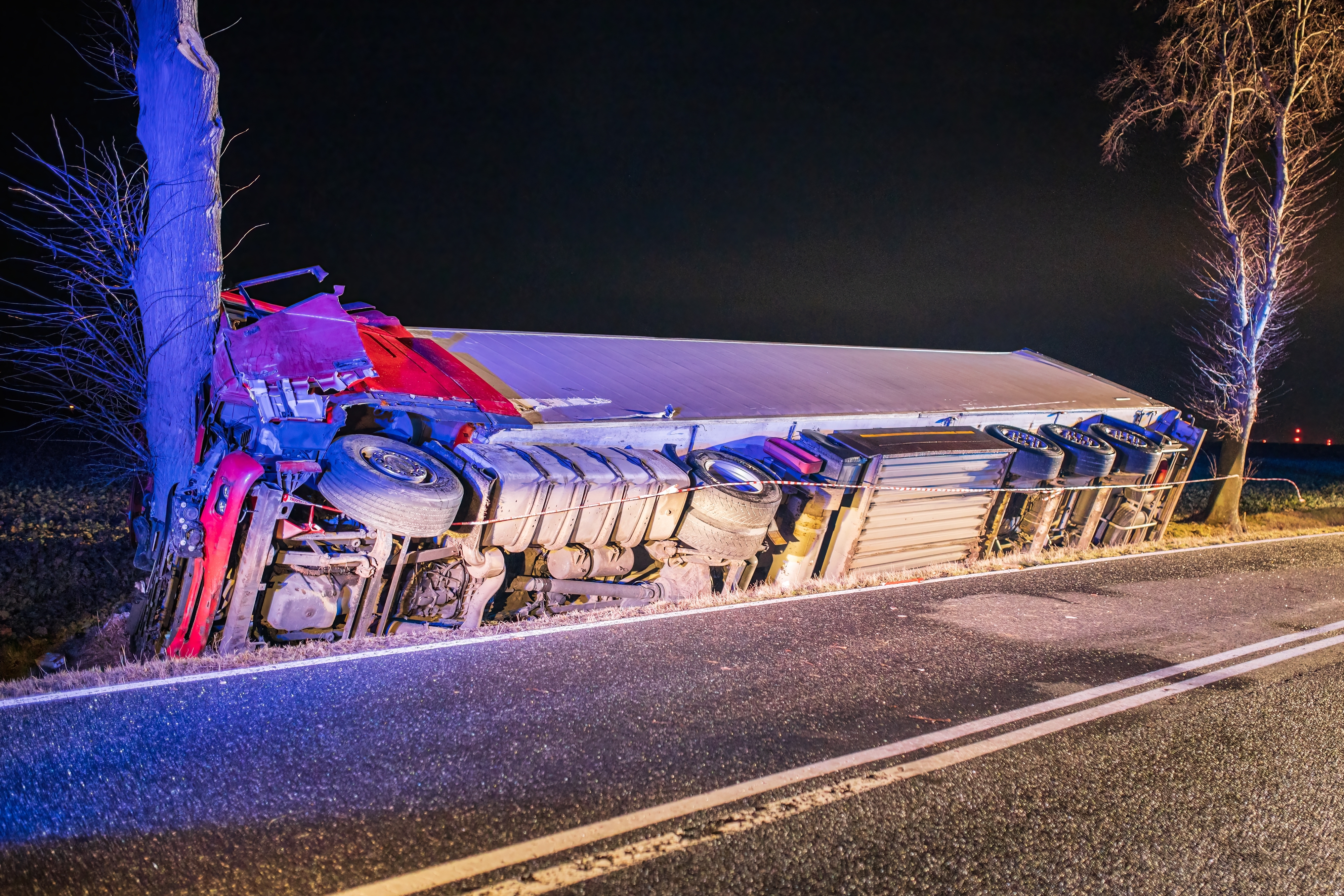
South Carolina law provides specific protections for families who have lost loved ones in truck accidents. When a fatal truck collision occurs, surviving family members may have the right to pursue a wrongful death claim against responsible parties. These claims are fundamentally different from typical personal injury cases, as they address the ultimate harm—the loss of life. According to recent data, fatal truck accidents have shown a modest decline nationally, with 5,472 people killed in traffic crashes involving large trucks in 2023, representing an 8.3% decrease from 2022 when 5,969 people were killed. However, this doesn’t diminish the severity of these incidents or the legal rights of victims’ families. While truck drivers accounted for 961 of these fatalities (a 12% decrease from 2022), a staggering 4,511 fatalities involved occupants of other vehicles and nonoccupants. This disproportionate impact on other road users highlights why South Carolina law provides robust legal pathways for victims’ families to seek accountability from truck drivers, trucking companies, and other responsible parties.
Critical Timeline: What to Expect After a Fatal Truck Accident
Understanding the timeline of a fatal truck accident case helps families prepare for the legal journey ahead. The process can be lengthy and complex, but knowing what to expect provides a roadmap during an otherwise overwhelming time. Each stage requires careful attention, as crucial evidence and legal deadlines can significantly impact your case’s outcome. Particularly important is the early investigation phase—data shows that in the transportation and warehousing sector, roadway collisions accounted for a significant portion of work-related fatalities, with 249 fatalities resulting from roadway collisions with another vehicle and 193 from collisions with objects other than vehicles. This industry-specific data underscores why thorough investigation of these accidents is critical to establishing liability.
-
Immediate investigation and evidence preservation (within 24-48 hours) – Trucking companies often dispatch rapid response teams to accident scenes to protect their interests, making immediate legal representation crucial for preserving evidence before it disappears
-
Filing deadlines – South Carolina’s statute of limitations gives families just three years from the date of death to file a wrongful death lawsuit, though this timeframe can be shorter in cases involving government vehicles
-
Insurance claims process – Multiple insurance policies may be involved, including the truck driver’s personal insurance, the trucking company’s commercial policy, and potentially third-party coverage
-
Case building and liability determination – This phase involves accident reconstruction, obtaining electronic logging device (ELD) data, and analyzing whether hours-of-service violations occurred
-
Settlement negotiations or trial preparation – Most cases settle before trial, but preparation for court proceedings is essential for securing fair compensation
Finding Resolution: How a Fatal Truck Accident Lawyer Can Help Your Family Move Forward
Resolving a fatal truck accident case requires specialized legal knowledge and resources that most families don’t possess during their time of grief. A fatal truck accident lawyer in Columbia can navigate the complex web of federal regulations, industry standards, and state laws that govern these cases. At Jeffcoat Injury and Car Accident Lawyers, we understand that the 8.4% decrease in occupant fatalities in other vehicles (from 4,187 in 2022 to 3,837 in 2023) is cold comfort to families who have lost someone irreplaceable. Our approach focuses on comprehensive case development, starting with preserving critical evidence like black box data, maintenance records, and driver qualification files. We work with accident reconstruction experts to establish exactly what happened and who bears responsibility. While financial compensation cannot bring back your loved one, it can provide crucial support for surviving family members, cover funeral expenses, replace lost income, and acknowledge the profound loss of companionship. Most importantly, pursuing accountability through the legal system can help prevent similar tragedies by holding negligent parties responsible for safety violations.
The Unique Dangers of Interstate Truck Accidents in South Carolina
Interstate highways present distinct dangers when it comes to truck accidents, explaining why 73% of fatal semi-truck accidents in South Carolina occur on these roadways. The combination of high speeds, heavy traffic volume, and large commercial vehicles creates particularly hazardous conditions. On interstates like I-26, I-85, and I-95 that cross through South Carolina, trucks often travel at maximum speeds while carrying full loads, significantly increasing stopping distances and the severity of impacts. The concentrated nature of interstate truck traffic also means that when accidents do occur, they frequently involve multiple vehicles, compounding the damage and increasing fatality risks. This explains why, despite an overall decrease in truck-related fatalities nationally, interstate accidents remain particularly deadly. Data shows that these crashes frequently delay crucial medical care for victims due to their remote locations and traffic congestion, further increasing fatality rates.
Contributing Factors in Interstate Truck Fatalities
Several factors make interstate truck accidents particularly deadly. Driver fatigue represents a significant risk, as long-haul truckers may push beyond safe limits to meet delivery deadlines despite hours-of-service regulations. Speed differential between passenger vehicles and commercial trucks creates dangerous overtaking situations, while adverse weather conditions affect large trucks more severely than passenger vehicles due to their weight and momentum. We’ve observed that many interstate truck accidents involve a combination of these factors, creating what safety experts call a “perfect storm” for fatal outcomes. In our experience representing families after these tragedies, we’ve found that thorough investigation often reveals multiple safety violations that could have been prevented with proper compliance and oversight.
The Complex Web of Liability in Fatal Truck Accident Cases
Determining liability in fatal truck accidents involves navigating a complex web of potential responsible parties. Unlike typical car accidents where liability usually falls on one or two drivers, truck accidents often involve multiple parties who may share responsibility. The truck driver might be liable for fatigue, distraction, or impairment, while the trucking company could face responsibility for inadequate training, improper maintenance, or encouraging unsafe practices. Maintenance contractors who failed to properly service the vehicle, cargo loading companies that created unstable loads, or even vehicle or parts manufacturers in cases of mechanical failure all represent potential liability sources. This multilayered liability landscape explains why these cases require specialized legal knowledge and resources to properly investigate and document. Pursuing all responsible parties is essential not only for maximizing compensation but also for ensuring comprehensive accountability and safety improvements across the industry.
Corporate Responsibility in the Trucking Industry
The trucking industry operates under immense economic pressure, with tight deadlines and competitive pricing that can sometimes incentivize cutting corners on safety. While the injury rate in general freight trucking decreased to 2.9 cases per 100 full-time equivalent workers in 2023 (down from 3.2 in 2022), this improvement doesn’t always translate to safer roadways for other motorists. Trucking companies have specific legal obligations regarding driver selection, training, supervision, and vehicle maintenance. When these responsibilities are neglected, the company may be held directly liable through legal doctrines like vicarious liability or negligent hiring and retention. Additionally, violations of Federal Motor Carrier Safety Administration (FMCSA) regulations can establish negligence per se, making it easier to prove liability in court. Holding corporations accountable through litigation helps ensure that safety remains a priority despite competitive pressures.
Calculating Full Compensation After a Fatal Truck Accident
The aftermath of a fatal truck accident includes not only emotional devastation but also significant financial impacts that families may not immediately recognize. South Carolina law allows for the recovery of several categories of damages in wrongful death cases, and understanding these components is essential for ensuring families receive full and fair compensation. Economic damages include tangible financial losses such as funeral and burial expenses, medical bills for any treatment before death, lost income and benefits the deceased would have earned, and loss of inheritance. Non-economic damages address the profound personal impacts like loss of companionship, guidance, and emotional support, as well as the pain and suffering the deceased may have experienced before death. In certain cases involving gross negligence or willful misconduct, punitive damages may also be available to punish particularly egregious behavior and deter future violations.
The Full Economic Impact of Fatal Truck Accidents
Beyond the immediate costs, fatal truck accidents create long-term economic ripples that affect families for years or decades. When calculating compensation, it’s crucial to account for the total lifetime earnings the victim would have contributed to the family, including anticipated promotions, bonuses, and retirement benefits. For families who lose a primary earner, this represents not just current income but future financial security. These accidents can also increase economic costs to other motorists through highway closures and delays. Additionally, cases involving commercial truck drivers evading responsibility create further complications in securing proper compensation. A comprehensive calculation must also consider inflation, the educational needs of surviving children, and the value of services the deceased provided to the household, such as childcare, home maintenance, or elderly care—roles that may now require paid assistance.
Understanding Interstate Jurisdictional Issues in Truck Accident Cases
The interstate nature of commercial trucking creates unique jurisdictional complexities in fatal accident cases. When a South Carolina resident is killed in a collision with a truck registered in another state, operated by a driver from a third state, and owned by a company headquartered elsewhere, determining where to file your claim becomes a critical strategic decision. While the accident’s location in South Carolina establishes basic jurisdiction, you may have options to file in federal court or potentially in another state depending on where the trucking company conducts business. These jurisdictional choices can significantly impact your case’s outcome due to differences in state laws regarding damage caps, comparative negligence rules, and statutes of limitations. Additionally, federal regulations like those from the FMCSA create an overlay of requirements that apply regardless of state lines, providing another avenue for establishing liability when those regulations are violated.
Interstate Commerce and Trucking Regulations
Trucks operating across state lines are subject to stricter federal regulations than intrastate operators, creating additional compliance requirements that can be crucial in establishing liability. These regulations govern everything from driver qualification and hours-of-service limits to vehicle maintenance standards and hazardous materials transport. Understanding how these regulations apply to your specific case requires specialized legal knowledge, particularly as regulations continue to evolve in response to safety concerns. For example, electronic logging devices (ELDs) have replaced paper logbooks in most commercial trucks, creating digital records that can provide critical evidence of hours-of-service violations. Similarly, many modern trucks contain sophisticated event data recorders similar to airplane “black boxes” that capture crucial information about the vehicle’s operation in the moments before a crash. Accessing and properly interpreting this technical data often requires court orders and specialized experts.
Frequently Asked Questions
1. What makes South Carolina truck fatality lawyer services different from general personal injury representation?
A South Carolina truck fatality lawyer possesses specialized knowledge of federal trucking regulations, industry standards, and the complex liability structures unique to commercial transportation. Unlike general personal injury cases, truck accident litigation involves multiple potential defendants, sophisticated corporate legal teams, and technical evidence like electronic logging devices and black box data. Truck accident attorneys maintain relationships with accident reconstruction specialists, trucking industry experts, and forensic investigators who can analyze the unique aspects of commercial vehicle collisions. Additionally, trucking companies typically deploy rapid response teams to accident scenes, requiring equally prompt legal intervention to preserve critical evidence before it disappears.
2. How soon should I contact a fatal truck accident lawyer in Columbia after losing a loved one?
You should contact a Columbia truck injury representation attorney as soon as possible—ideally within days of the accident. While this timing may seem difficult during a period of grief, immediate legal involvement is crucial for preserving evidence that trucking companies might otherwise control or even destroy. Critical evidence like driver logs, vehicle maintenance records, and electronic data can disappear quickly without proper legal intervention. Additionally, the accident scene itself contains valuable evidence that may be lost with time. Most Columbia attorneys offer free consultations and can handle initial investigative steps while you focus on your family’s immediate needs. Early involvement also ensures compliance with notification requirements and filing deadlines that might otherwise jeopardize your case.
3. What compensation can families recover through a truck accident lawsuit in SC?
South Carolina law allows families to recover several types of damages through a wrongful death claim following a fatal truck accident. Economic damages include funeral and burial expenses, medical costs incurred before death, lost income and benefits the deceased would have earned throughout their lifetime, and loss of inheritance. Non-economic damages address the profound personal impacts like loss of companionship, guidance, care, and emotional support. In cases involving gross negligence or willful misconduct, punitive damages may be available to punish particularly egregious behavior. The exact compensation varies based on factors like the victim’s age, earning capacity, dependents, and the circumstances of the accident. A South Carolina semi crash lawyer can help calculate the full value of your claim to ensure your family receives appropriate compensation.
4. How are interstate truck collision cases in Columbia different from local road accidents?
Interstate truck collision cases in Columbia involve unique factors that distinguish them from local road accidents. First, they typically fall under both federal and state jurisdiction, with additional regulations from the Federal Motor Carrier Safety Administration coming into play. Interstate accidents often involve out-of-state trucking companies, drivers, and insurance carriers, creating complex jurisdictional questions. The high speeds on interstates contribute to more catastrophic outcomes, with different accident patterns like underride or override collisions that rarely occur on local roads. Evidence collection is more challenging, often requiring rapid response to secure electronic data, witness statements from travelers who may quickly leave the area, and physical evidence from extensive crash scenes. Additionally, interstate accidents frequently involve multiple vehicles, creating complex liability scenarios that require sophisticated accident reconstruction and analysis.
5. What should I do if the trucking company’s insurance adjuster contacts me after losing a family member in a truck accident?
If a trucking company’s insurance adjuster contacts you after a fatal accident, politely decline to provide statements, sign documents, or accept settlement offers until you’ve consulted with a Columbia truck accident rights attorney. Insurance adjusters may express sympathy while attempting to obtain statements that could later undermine your claim or offer quick settlements far below your case’s actual value. They represent the trucking company’s interests, not yours. Request the adjuster’s contact information and inform them that your attorney will be in touch. Document any communication attempts, including dates, times, and what was discussed. Early settlement offers typically fail to account for the full scope of damages in wrongful death cases, including future lost income, loss of companionship, and potential punitive damages. An experienced SC fatal accident attorney can properly value your claim and handle all insurance communications on your behalf.
Work with a Semi-Truck Injury Lawyer
The aftermath of a fatal truck accident creates overwhelming challenges for families during their time of grief. While national data shows some improvement in truck accident fatalities (with an 8.3% decrease from 2022 to 2023), this offers little comfort to families who have lost loved ones. Understanding your legal rights and options is essential for protecting your family’s future and seeking appropriate accountability. A qualified attorney can investigate the accident thoroughly, identify all potentially liable parties, preserve critical evidence, and navigate the complex legal process while you focus on your family’s emotional needs. They can also accurately value your claim to ensure all current and future impacts are properly addressed. Look for an attorney with specific experience in fatal truck accident cases, knowledge of federal trucking regulations, and the resources to stand against corporate legal teams. Most importantly, choose someone who demonstrates genuine compassion for your situation and commitment to pursuing justice for your loved one.
When tragedy strikes on South Carolina’s highways, Jeffcoat Injury and Car Accident Lawyers are here to guide you through the legal labyrinth. Don’t hesitate to reach out at 803-573-0869 or contact us to safeguard your family’s rights and seek the justice you deserve.