
July 1, 2025 | Truck Accident Lawyer Near Me Columbia, SC

Trucking Company Negligence in South Carolina: A Hidden Threat to Families
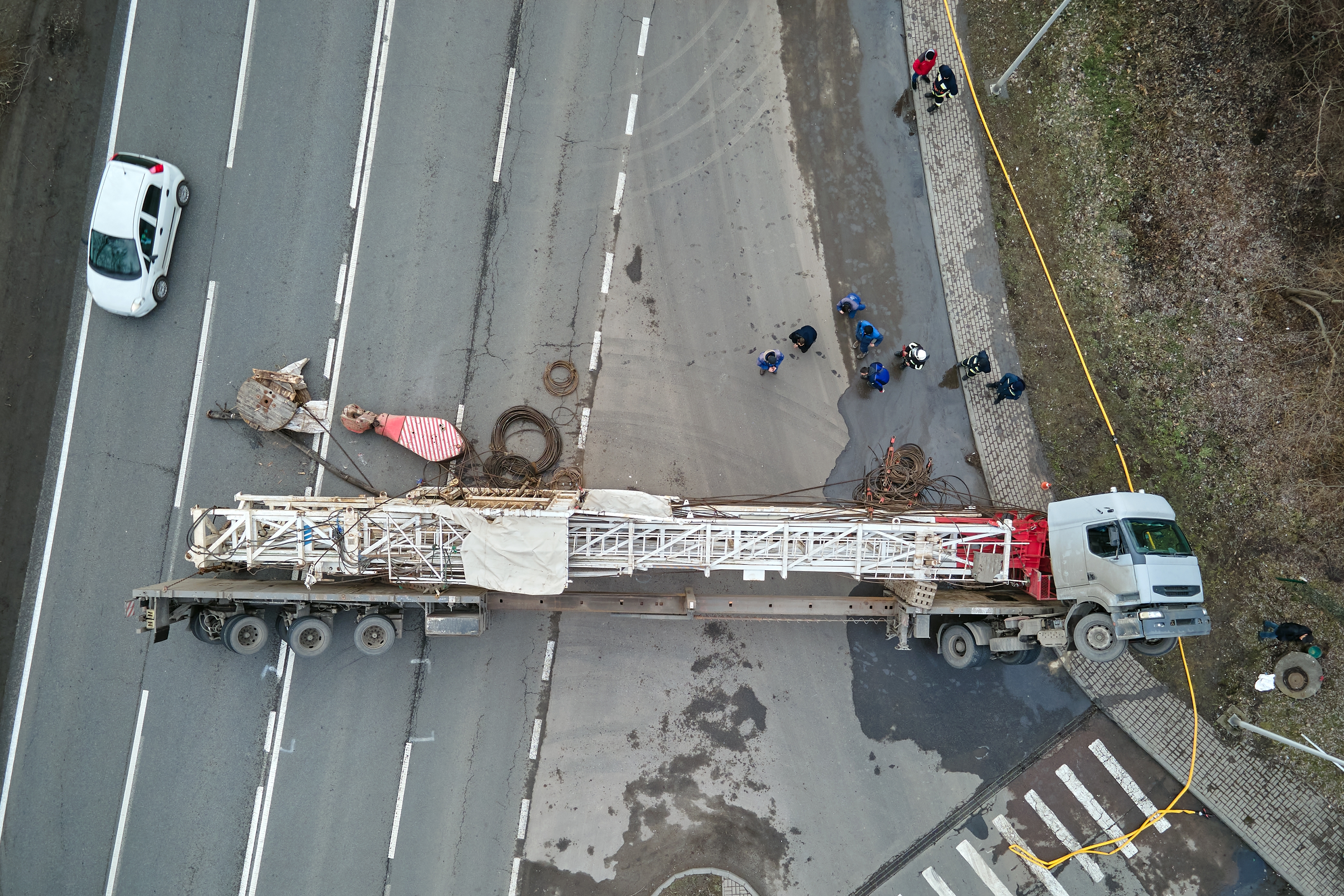
An overturned semi-truck after a crash. Such catastrophic accidents often trace back to trucking company negligence – from poor maintenance to overscheduling drivers.
In South Carolina, a staggering 73% of fatal semi-truck accidents occur on interstate highways. Our busiest roads – like I-26, I-85, and I-95 – see heavy tractor-trailer traffic moving at high speeds, often with devastating results when something goes wrong. Behind each of these crashes is a family suddenly grappling with serious injuries or unimaginable loss. If you’re in this situation, you’re not alone. We understand how overwhelming it feels when a loved one is hurt by a trucking company’s negligence. You may be facing hospital bills, uncertainty about the future, and anger at how this could have been prevented.
Trucking company negligence can take many forms – perhaps the company cut corners on maintenance, pushed a driver to work past the legal hours, or hired an unqualified driver. Whatever the cause, the impact on South Carolina families is profound. In an instant, lives can be upended by a preventable truck accident. The good news is that South Carolina law gives you the right to seek accountability and compensation when a trucking company’s careless actions cause harm. In this guide, we’ll walk you through the basics of how the law works, what steps to take, and how your family can fight back and find justice. We’ll also share some practical tips and explain why getting knowledgeable help can make all the difference. Let’s start by breaking down what trucking company negligence really means in the eyes of the law.
Don’t let the aftermath of a truck accident leave you out of sorts. Reach out to Jeffcoat Injury and Car Accident Lawyers for guidance on your path to recovery and rightful compensation. Give us a call at (803) 200-2000 or contact us today to ensure your rights are protected and your future is secure.
Understanding Trucking Company Negligence and Your Rights in SC
Trucking company negligence refers to a company’s failure to uphold basic safety duties, resulting in accidents. In South Carolina, trucking companies (and their drivers) must follow both ordinary traffic laws and special federal safety regulations. For example, the Federal Motor Carrier Safety Administration (FMCSA) imposes strict hours-of-service rules to prevent fatigued driving – most truck drivers can drive a maximum of 11 hours after 10 consecutive hours off-duty. If a company pressures its drivers to exceed these limits or falsify logbooks, it’s a serious safety violation. Similarly, trucking firms are responsible for proper truck maintenance (brakes, tires, etc.), rigorous hiring and training practices, and monitoring their drivers for issues like drug/alcohol use (commercial drivers in SC are legally considered over the limit at just 0.04% BAC). When they fail in these duties, the law deems it negligence.
How South Carolina law treats trucking company negligence: If you or a loved one is injured by a truck, you have the right to file a personal injury claim (or wrongful death claim if a family member was killed) against not only the truck driver but also the trucking company. Under the legal doctrine of respondeat superior, an employer is vicariously liable for the negligent acts of its driver done in the scope of employment. This means the company typically has to answer for its employee’s mistakes. On top of that, the company can be directly liable for its own negligence – for instance, if it failed to enforce safety policies, neglected maintenance schedules, or hired a driver with a poor safety record. We often find that a thorough investigation reveals these kinds of company failures. (In fact, we’ve seen cases where checking a trucking firm’s records uncovered a pattern of cutting safety corners, which greatly strengthened the victim’s case.)
Challenges in proving negligence: Truck accidents are more complex than regular car crashes. There may be multiple parties at fault – the driver, the trucking company, a maintenance contractor, or even a manufacturer if a part failed. South Carolina follows a modified comparative negligence rule, meaning you can still recover damages as long as you were 50% or less at fault for the accident, but if you are 51% or more at fault, you’d be barred from recovery. Any share of fault under 50% simply reduces your compensation proportionally. For example, if a jury finds you 20% at fault (perhaps for a minor traffic violation) and the trucking company 80% at fault, you could still recover 80% of your damages. This rule (established by S.C. Code § 15-38-15) prevents unfair recovery when someone is mostly to blame, but it also means trucking companies will aggressively try to pin blame on the victim to reduce their payout. Don’t be surprised if their insurance adjusters argue you were partly at fault – this is a common tactic we see, and it’s one more reason to gather solid evidence of what really happened.
Statute of limitations: South Carolina law puts a time limit on injury claims. Generally, you have three years from the date of a truck accident to file a lawsuit for personal injury or wrongful death. This three-year deadline (set by S.C. Code § 15-3-530) applies to most negligence cases, including truck accidents and deaths caused by them. If the truck that hit you was a government-owned vehicle (for instance, a municipal truck), special notice requirements and shorter deadlines might apply – sometimes as short as two years. Missing the deadline can mean losing your rights, so it’s critical to be aware of it from the start.
Timeline of a South Carolina Truck Accident Claim (Key Steps)
-
Immediate Aftermath (Hours 1–48):Ensure safety and evidence. Call 911 to get police and medical help on the scene. If you’re able, document the scene – take photos of vehicle damage, skid marks, and any truck company info (like the USDOT number on the trailer). Obtain contact info for witnesses and responding officers. This early evidence is crucial. Trucking companies often send their own rapid response teams to crash sites to protect their interests, so acting fast to preserve evidence helps balance the scales.
-
Evidence Preservation (First Weeks):Secure vital records. Important electronic data is recorded in commercial trucks – for example, the truck’s “black box” (Electronic Control Module) logs speed and braking, and the driver’s electronic logbook tracks hours driven. However, federal regulations allow trucking companies to legally destroy or overwrite certain records after as little as six months. An attorney can send a formal spoliation letter to demand that the company preserve all relevant evidence (driver logs, maintenance records, onboard video, etc.) before it’s lost. Early investigation may also involve hiring an accident reconstruction expert to examine the crash scene and vehicles. We know from experience that prompt action in these first few weeks can make or break a case.
-
Insurance Claims and Investigation (1–3 Months):Notify insurers and build the case. You (or your lawyer) will notify the trucking company’s insurance carrier of your claim. Expect a flurry of activity: the insurer might take recorded statements (be cautious here – you are not obligated to give a statement without counsel), examine the vehicles, and possibly offer an early settlement. It’s wise to consult a truck accident attorney before signing anything; initial offers often come quickly but may be far below what you truly need. During this phase, your team should be gathering medical records, police reports, and identifying all potential defendants (the driver, the trucking company, maybe a trailer owner or cargo loader if they played a role). South Carolina allows wrongful death claims by a victim’s estate if the worst has happened – these typically involve the same timeline but with a focus on the family’s losses.
-
Filing a Lawsuit (Within 1–2 Years if No Fair Settlement):Formal legal action if needed. Many truck accident claims in SC settle out of court, but if the insurer refuses to offer fair compensation, the next step is filing a lawsuit. This can be done any time within the 3-year limit, but it’s often strategic to file sooner if negotiations stall. Once filed, the case enters the litigation phase – both sides exchange evidence (discovery), take depositions (including of the truck driver and company representatives), and continue settlement talks. Don’t be alarmed by the lawsuit process; it’s a common path to get the evidence and leverage needed for a proper settlement. Keep in mind, filing suit doesn’t always mean going to trial – it just preserves your rights and increases pressure on the other side.
-
Resolution – Settlement or Trial (Several Months to a Few Years):Finding closure. A high percentage of truck accident cases resolve in a settlement once the evidence is on the table. The timeline for this can vary widely. In a straightforward case with clear liability and sufficient insurance, a settlement might occur within months. More complex cases (e.g. disputed fault or very high damages) could take over a year or even go to trial. If your case proceeds to trial, a South Carolina jury will determine fault and damages. While court can sound intimidating, a well-prepared case often encourages the trucking company to settle beforehand. Throughout this resolution phase, patience is key – your legal team’s job is to fight for full and fair compensation, even if the trucking company drags its feet. Common damages include medical expenses, lost income, pain and suffering, and in wrongful death cases, funeral costs and the family’s loss of companionship. The finish line may seem far off, but with each step in the timeline, you are moving closer to justice and accountability.
Legal Recourse for Truck Accident Victims in SC
When a South Carolina family is struck by a tragedy involving a big rig, legal recourse is often the only way to hold the at-fault company accountable. Practically speaking, “legal recourse” means pursuing a claim or lawsuit to recover damages for your losses. Here’s how that works and what options you have:
Filing an insurance claim: The first route is usually through insurance. Trucking companies are required to carry substantial commercial liability insurance (often $750,000 or more in coverage), recognizing how severe truck accidents can be. As an injured victim or bereaved family member, you would file a claim against the trucking company’s insurer. In this claim, you’ll need to prove the trucking company (or its driver) was negligent and caused the crash. Evidence from the police investigation, witness statements, and the truck’s data will be crucial here. Be prepared: the trucking company’s insurer will have experienced adjusters and lawyers aiming to minimize payout. They might dispute liability or argue your injuries aren’t as severe as claimed. This is where having your own advocate matters – strong evidence and expert support (like accident reconstruction reports) can push back against these tactics.
Lawsuit and litigation: If the insurance company won’t offer a fair settlement, the next step is a personal injury lawsuit (or wrongful death lawsuit). In South Carolina, your lawsuit can allege negligence by the truck driver and the trucking company. Often we include claims like negligent hiring or training if evidence shows the company hired an unsafe driver or failed to train them properly. Sometimes, punitive damages may come into play if the company’s conduct was especially egregious (for example, knowingly ignoring safety regulations or falsifying maintenance records). Punitive damages in SC are meant to punish reckless behavior and deter others – though state law caps them in many cases, they send a strong message. The process of a lawsuit involves the discovery phase (where each side gathers testimony and documents from the other). Don’t be intimidated – this process is designed to uncover the truth. Your legal team can obtain internal records from the trucking company, such as driver qualification files, dispatch logs, and safety manuals, which often shed light on systemic problems. In many cases, the act of filing suit and starting discovery is what finally brings the trucking company to the negotiating table with a reasonable settlement offer.
Wrongful death claims: Sadly, truck accidents are frequently fatal or catastrophic. South Carolina law allows the deceased victim’s estate (on behalf of surviving family, such as a spouse, children, or parents) to bring a wrongful death claim. This is a form of legal recourse that seeks compensation for the family’s loss – not just economic losses like funeral costs and lost future income, but also non-economic losses like loss of companionship and emotional anguish. Additionally, South Carolina recognizes a related claim called a survival action, which can seek damages the victim would have been entitled to had they lived (for example, the pain and suffering the victim endured between the accident and their passing). These claims are complex, but they are powerful tools to obtain some measure of justice for a life cut short by trucking company negligence.
Settlement vs. trial: Ultimately, your legal recourse may conclude with a negotiated settlement or a court verdict. Both are aimed at the same goal – getting you the resources you need to rebuild and sending a message that negligence has consequences. A settlement is often faster and more private; it’s an agreement where the trucking company (or its insurer) pays a sum in exchange for ending the claim. A trial, on the other hand, lets a jury decide the outcome. South Carolina juries have been known to award significant verdicts in serious truck crash cases, especially if they feel a company was grossly negligent. However, trials carry more uncertainty and can be emotionally taxing for families. A good attorney will prepare for trial but remain open to a fair settlement. Either way, the key is that you have the right to pursue justice – and exercising that right not only helps your family but also pressures trucking companies to improve their safety practices. Many industry changes (like better driver screening and electronic logging) have come about because victims stood up and took legal action, prompting companies to reform. Your case could help prevent future tragedies on South Carolina’s roads.
Why Choose Jeffcoat Injury & Car Accident Attorneys for Your Truck Accident Case
Selecting the right legal team is one of the most important decisions you’ll make after a serious truck accident. So, what makes Jeffcoat Injury & Car Accident Attorneys a great choice for South Carolina families facing this battle?
Deep experience with truck accident cases: Our firm has handled numerous truck accident claims across South Carolina, from the busy interstates around Columbia to rural highways in Lexington and beyond. We understand the unique complexities of trucking cases – from deciphering driver logbooks to navigating federal trucking regulations. This isn’t a learning curve for us; we know the playbook trucking companies and their insurers use because we’ve seen it time and again. Our attorneys immediately get to work preserving critical evidence (we know that a trucking company’s “black box” data and maintenance records can disappear quickly without intervention). We also routinely collaborate with top experts in accident reconstruction and trucking safety. This experience means we can hit the ground running and build a compelling case on your behalf.
Resources and a track record of results: Truck accident cases are often high-stakes and hard-fought. The trucking companies usually deploy aggressive insurance defense lawyers. Jeffcoat Injury & Car Accident Attorneys has the resources to level the playing field. We prepare every case thoroughly, as if it will go to trial – that thoroughness often leads to better settlements because the other side knows we’re ready to fight. Our team has recovered significant compensation for injury victims and families, earning a reputation in South Carolina for being relentless advocates. While we can’t promise a specific outcome, we do promise to devote our full attention and effort to maximizing your recovery. We take pride in treating clients like family – you’ll get honest advice, frequent updates, and compassion throughout the process.
Local knowledge and personal commitment: As a South Carolina-based firm, we’re deeply familiar with the local courts, laws, and even the roadways that most out-of-state trucking insurers might not appreciate. We know, for example, how dangerous the I-95 corridor can be near the Lowcountry or how a rainy rush-hour on I-20 can set the stage for disaster. This local insight helps us investigate and present your case in a way that resonates. Moreover, when you hire Jeffcoat Injury & Car Accident Attorneys, you get a team that truly cares. We understand that this case isn’t just about numbers – it’s about your life and your future. Our attorneys and staff are here to answer your questions and relieve your burdens wherever possible, whether that means helping you find medical providers or just being a supportive listener during a difficult time. Our goal isn’t just to win your case, but to help your family through one of the toughest chapters of your lives with dignity and trust.
By choosing us, you gain advocates who will stand up to trucking companies and fight for South Carolina families. We’re ready to do the heavy lifting in your legal battle so you can focus on healing and recovery.
Common Ways Trucking Companies Put South Carolina Motorists at Risk
Trucking companies hold a huge responsibility for keeping our roads safe. Unfortunately, negligence on their part can take many forms. Here are some of the most common ways trucking companies endanger others through negligence:
-
Negligent hiring and training: A trucking company must vet its drivers. Hiring someone with a long history of accidents or DUIs, or failing to conduct proper background checks, can be negligent. Likewise, inadequate training sets drivers up for failure. For example, a company that doesn’t train a new driver on how to handle South Carolina’s winding mountain highways or congested urban interstates is skimping on safety. We have seen cases where after a crash, it turned out the company ignored red flags in a driver’s record or rushed them into the job without sufficient training. Such shortcuts often lead to tragedy on the highway.
-
Pushing drivers beyond safe limits: Trucking is a business, and tighter delivery schedules can tempt companies to pressure drivers to violate hours-of-service rules. If a company sets unrealistic deadlines or offers bonuses that essentially require speeding or skipping rest breaks, that is corporate negligence. A fatigued trucker is as dangerous as a drunk driver. Federal rules demand rest, but if a company culture informally encourages “keep going no matter what,” accidents become far more likely. South Carolina families have felt the impact of crashes caused by exhausted drivers who should have been off the road hours earlier.
-
Poor vehicle maintenance: An 18-wheeler barreling down I-95 is a complex machine that needs regular upkeep. Brake systems, tires, steering components – if any of these fail, the results can be catastrophic. Trucking companies are responsible for maintaining their fleets, whether by in-house mechanics or third-party service. Negligence here might mean skipping scheduled inspections, using cheap retread tires prone to blowouts, or delaying repairs to save money. A classic scenario is brakes overheating on a long downgrade because they were out of adjustment; the company never bothered to have a mechanic check them. South Carolina law (and federal law) requires commercial trucks to meet certain safety standards, but it’s up to the company to actually enforce that. Failure to maintain a safe truck can make the company directly liable when a mechanical failure causes a wreck.
-
Overloading or improper loading of cargo: Trucking companies and shippers must follow weight limits and secure cargo properly. An overloaded truck is harder to brake and more prone to tire blowouts. Likewise, an improperly secured load can shift and cause the trailer to tip (resulting in an overturn or “jackknife” accident) or even spill onto the roadway. If a company allows or instructs drivers to haul loads beyond legal weight or doesn’t train them in load securement, that’s negligent. South Carolina has seen frightening incidents of timber trucks or container trucks losing their loads on the highway, often due to poor oversight by the carrier.
-
Negligent supervision and policies: Beyond the driver and the vehicle, a trucking company’s overall safety culture matters. Companies should have policies to prevent distracted driving (for instance, forbidding texting while driving – something already illegal per federal rules) and to require adherence to speed limits. They should also conduct random drug/alcohol testing as required by law. If a company turns a blind eye to drivers’ bad habits or fails to discipline safety violations, it fosters an environment where rules aren’t taken seriously. One example is a company that doesn’t review its drivers’ electronic logs or GPS data; if they aren’t checking, drivers might routinely speed or drive excessive hours knowing there’s no repercussion. That lack of oversight endangers everyone on the road.
In summary, trucking company negligence can be the root cause behind many South Carolina truck accidents. What might initially seem like “driver error” (like running a red light or failing to brake in time) is often traced back to one of these company failings – maybe the driver was dead-tired because of company pressure, or the brakes failed due to poor maintenance by the company. Identifying these underlying causes is crucial. It not only strengthens your legal claim by holding the right parties accountable, but it also highlights the broader safety issues that need to be fixed. When we pursue a case against a negligent trucking company, we’re not just saying the driver messed up – we’re shining a light on company practices that must change if we want safer highways in the future.
The Human Toll: Emotional and Financial Impacts on SC Families
A trucking accident doesn’t just leave physical wreckage; it leaves deep emotional and financial scars on families. When a crash happens, the trauma reverberates through the victim’s household in countless ways. Let’s talk about what South Carolina families often experience in the aftermath – and why fighting for compensation and accountability is so important.
Immediate aftermath and trauma: In the blink of an eye, a family’s world can be turned upside down. Survivors of a truck crash may suffer severe, life-altering injuries: brain injuries, spinal cord damage, amputations, or other catastrophic harm. These injuries often mean weeks in the hospital or ICU, multiple surgeries, and uncertain prognoses. Family members find themselves keeping vigil at hospital bedsides, grappling with fear and anxiety. Even those not physically injured (like a parent getting a call that their child was in a crash) endure emotional trauma. The shock of such a violent event can lead to nightmares, flashbacks, and anxiety for a long time. We often hear clients describe a loss of normalcy – one day, you’re worrying about school pick-ups or work meetings, and the next, all your focus is on a loved one’s survival and recovery.
Financial strain and uncertainty: The costs associated with a serious truck accident can be staggering. Medical bills pile up rapidly – emergency surgery, hospitalization, rehabilitation, medications, and if needed, long-term care or specialized therapy. Even with health insurance, co-pays and uncovered expenses can decimate savings. At the same time, if the injured person was a breadwinner, the family may lose their income for months or longer. Regular bills (mortgage, utilities, etc.) don’t pause just because tragedy struck. Many South Carolina families live paycheck to paycheck, so a sudden loss of income coupled with new expenses is a recipe for financial crisis. That’s not even counting things like vehicle replacement or modifications to the home if a disability requires it (wheelchair ramps, etc.). Pursuing a legal claim is crucial to recoup these economic losses. Compensation can cover medical expenses (past and future), lost wages, and other out-of-pocket costs, helping to secure the family’s financial stability during an incredibly difficult time.
Losses that money can’t fully measure: Beyond the bills and paychecks, there are profound human losses. If the accident caused a permanent injury, the individual may no longer be able to enjoy life as before – imagine a devoted grandfather no longer able to play catch with his grandkids due to a spinal injury, or a young mother coping with chronic pain every day. These are very real damages in the eyes of the law (often termed “pain and suffering” or “loss of enjoyment of life”). In a wrongful death situation, the toll is even heavier: a spouse who lost their life partner, children who lost a parent, or parents who lost a child. The grief and emptiness that follow are immeasurable. South Carolina’s wrongful death law recognizes these intangibles – it allows families to recover for the loss of companionship, love, and guidance that the deceased provided. While no amount of money can fill the void, obtaining compensation is one way our civil justice system acknowledges the depth of the loss.
Accountability and sense of justice: Many families tell us that beyond the financial relief, what they seek is justice – a sense that the trucking company is held accountable so that no other family has to suffer the same fate. Taking legal action can provide a form of closure or at least validation. It puts a public spotlight on what went wrong. For instance, if a lawsuit reveals that a trucking company was ignoring safety regulations, that outcome can pressure them (and others in the industry) to change their ways. As one example, a legal case might spur a company to implement stricter fatigue management policies or improve its maintenance routines. Families often derive some comfort knowing that their fight may help prevent similar. As attorneys, we fully appreciate this motive – our goal isn’t only to get compensation, but also to drive change. We’ve seen firsthand how a successful result can give a family the resources to heal and also honor their hardships by making our community safer.
In sum, the aftermath of a trucking accident is a marathon, not a sprint, for affected families. It challenges emotional resilience, tests financial security, and forever changes lives. That’s why pursuing a claim is about more than dollars – it’s about ensuring that your family’s suffering is not brushed aside. It’s about obtaining the means to get proper care (counseling, medical treatment, support services) and securing your family’s future in the face of adversity. And just as importantly, it’s about shining a light on negligence and demanding safer practices, so that the human toll of truck company negligence in South Carolina begins to diminish over time.
Overcoming Challenges in Truck Accident Claims: Tips for Families
Navigating a truck accident claim can feel like an uphill battle – but knowing the common challenges in advance can help you overcome them. Trucking companies and their insurers are formidable opponents, but with the right approach, South Carolina families can protect their rights and build a strong case. Here are some key challenges and tips to tackle them:
1. Powerful insurance companies and legal teams: Trucking firms usually come with big insurance policies and aggressive lawyers. The moment a serious accident happens, these insurers spring into action – sometimes even before you’ve left the hospital, you might get a call with an offer or probing questions. Tip: Be very cautious in any communication. You are not required to give a recorded statement to the other insurer right away. It’s often best to politely decline and consult your own attorney first. Remember, insurers may sound sympathetic, but their goal is to save money. We’ve seen adjusters use friendly chit-chat to get statements that they later twist to minimize or deny claims. Don’t sign any settlement or release without understanding the full extent of your injuries and rights. Once you settle, you can’t go back for more if complications arise later.
2. Critical evidence can disappear quickly: As mentioned earlier, evidence in truck accidents has a way of vanishing – whether it’s the truck’s data recorder being overwritten, surveillance video getting taped over, or skid marks fading from the pavement. Tip: Act fast to preserve evidence. If you hire an attorney quickly, they can send out preservation letters and even go to the scene with experts. If you’re handling things on your own initially, try to return to the scene soon for photographs, and secure any dashcam footage or nearby business CCTV that might have captured the incident. Also, notify the trucking company in writing that they must preserve the driver’s logs, the truck’s ECM data, and maintenance records, as these are routinely destroyed after a period of time if no one intervenes. The earlier you lock down evidence, the stronger your case will be when facing the trucking company’s narrative.
3. Complexity of regulations and multiple parties: Truck accident cases involve a web of laws (both state and federal) and sometimes several liable parties. For example, the truck might be owned by one company, operated by another, and leased to a third. The trailer and cargo could involve yet another party. Determining who is at fault (often more than one entity) and how the regulations apply requires experience. Tip: Don’t get discouraged by the complexity – break it down step by step. Focus on obtaining the accident report, then identifying the entities involved. South Carolina accident reports will list the carrier or company name and insurance info. From there, a legal professional can help trace the ownership and contractual relationships. If you have an attorney, they will know how to use laws like the Federal Motor Carrier Safety Regulations to establish standards of care. If you’re researching on your own, resources like the FMCSA website and the South Carolina Code can be informative. But realistically, given the complexity, this is an area where having a seasoned truck accident lawyer pays off – they’ll ensure no potential defendant or theory of liability is overlooked.
4. The blame game – defending against unjust fault claims: It’s very common for trucking companies to respond to a claim by saying, “It wasn’t our fault – or at least not entirely.” They might argue that you, or another driver, or even some third factor (like bad weather) was really responsible. In one case, for example, a truck company tried to blame a collision on a sudden tire blowout that they claimed couldn’t be foreseen (when in reality, poor maintenance caused it). Tip: Build a solid counter-narrative with evidence. This means gathering witness statements (did anyone see the truck driving erratically or notice something wrong before the crash?), expert opinions (an accident reconstruction can scientifically refute false claims), and records (maintenance logs could show the tire was overdue for replacement, undermining the “unforeseeable blowout” excuse). South Carolina’s comparative negligence system means even if you share some blame, you can still recover if you’re not mostly at fault. So, it’s crucial to combat any exaggeration of your fault. Little things help too: if you were cited for a minor traffic violation in the crash, handling that ticket with a traffic lawyer could sometimes get it reduced or dismissed, which in turn can help your civil claim. Don’t let the trucking company offload blame without challenge.
5. Keeping organized and persistent: The process from accident to resolution can be long and taxing. There will be many documents – medical records, bills, correspondence – and possibly months of waiting. Tip: Stay organized and keep a journal. Maintain a file (physical or digital) of all paperwork. Keep a log of your medical appointments, symptoms, and how the injuries impact your daily life. These personal notes can be powerful when negotiating or testifying about pain and suffering. Also, be patient but proactive. Check in periodically on the status of any insurance claim. In South Carolina, an insurance company must act in good faith; unreasonable delays or stalling could be a form of bad faith claim handling. If you feel your claim is being ignored, that’s a red flag – consider consulting an attorney who can prompt action or even threaten a bad faith lawsuit if warranted.
In overcoming these challenges, the overarching advice is: don’t go it alone if you don’t have to. Truck accident cases are not the kind of DIY project most people can successfully handle, especially while recovering from trauma. There’s no shame in seeking help – these claims are complex even for lawyers. Our firm’s philosophy is to shoulder the legal burdens so you can focus on healing. We step in to deal with the insurance adjusters, preserve the evidence, engage experts, and craft the legal arguments, all while keeping you informed. You have been through enough; navigating legal traps shouldn’t be another trauma. Whether you hire us or another capable South Carolina truck accident lawyer, getting professional guidance is often the key tip that underlies all others. It can turn the daunting process of fighting a trucking company into a manageable one – and increase the odds that your family comes out of this ordeal with the justice and compensation you truly deserve.
Frequently Asked Questions
Q: What is considered “trucking company negligence” in South Carolina?
A: Trucking company negligence refers to any careless or unlawful action (or inaction) by a trucking company that contributes to an accident. In South Carolina, common examples include failure to maintain trucks (leading to mechanical failures), hiring unqualified or unsafe drivers, not enforcing safety rules (like allowing drivers to exceed hour limits or encouraging speeding), and improper loading of cargo. Essentially, if the company didn’t take reasonable steps to ensure safe operations and that failure caused a crash, it can be deemed negligent. Both the trucking company and the truck driver can be held liable for negligence under South Carolina law, depending on the circumstances.
Q: Who can be held liable in a South Carolina truck accident – the driver or the trucking company?
A: Potentially both. The truck driver is directly liable for their own negligence (such as driving distracted, impaired, or recklessly). The trucking company that employs the driver is usually vicariously liable for the driver’s actions during the job – meaning the company has to answer for accidents the driver causes while working. Moreover, the company can have independent liability if its own negligence played a role. For example, if the company failed to repair faulty brakes or pressured the driver to meet an impossible deadline, it has its own share of fault. In some cases, other parties might also be liable: the truck’s maintenance provider (if shoddy repairs led to a crash), a loading company (if cargo fell off due to improper securing), or even the truck manufacturer (if a defect caused the accident). An investigation will typically identify all liable parties, and under South Carolina law you can pursue claims against each of them to ensure you’re fully compensated.
Q: How long do I have to file a truck accident lawsuit in South Carolina?
A: Generally, you have three years from the date of the accident to file a personal injury lawsuit in South Carolina (and three years from the date of death to file a wrongful death lawsuit)law.justia.com. This deadline is known as the statute of limitations. It’s set by law (S.C. Code § 15-3-530) and is strict – if you file after the three-year window has passed, the court will likely dismiss your case, no matter how strong it is. There are a few exceptions that can shorten or extend the time in specific scenarios. For instance, if the defendant is a government entity (like a city-owned truck), you may have to file a notice or claim much sooner (often within a year or two). On the other hand, if the injured person was a minor, the clock might not start until they turn 18. It’s best to consult an attorney well before the deadline. And as a practical matter, you shouldn’t wait until the last minute – crucial evidence might be lost over time. The sooner you start the process, the better the chance of building a solid case.
Q: What compensation can my family recover after a truck accident?
A: You can seek compensation for a wide range of damages. In personal injury cases, this typically includes: medical expenses (hospital bills, surgeries, rehab, future medical care you’ll need), lost income (wages lost while you couldn’t work, and even future earning capacity if you can’t return to your old job or work at the same level), and pain and suffering (which covers the physical pain and emotional distress you’ve endured). Other possible damages are things like the cost of home modifications if you need a wheelchair, the value of services you can no longer perform (for example, if you used to do all the home maintenance and now have to hire help), and any property damage (like your vehicle). In wrongful death cases, compensation can cover funeral and burial expenses, loss of the deceased’s financial support, and the loss of companionship, care, and guidance to the surviving family members. South Carolina also allows punitive damages in cases of especially reckless conduct – these are awarded to punish the wrongdoer and deter similar conduct, but they’re not common and are capped in many situations. Each case is unique, so the exact types of compensation and amounts will depend on the specifics of your situation. A truck accident attorney can evaluate your case to ensure all your losses are accounted for when seeking a recovery.
Q: Do I really need a lawyer for a truck accident claim, or can I handle it myself?
A: While it’s legally possible to file a claim yourself, it’s highly recommended to have a lawyer for a truck accident case. Truck accidents are far more complex than typical car accidents. The stakes are higher (injuries are often severe, and insurance policies are larger), and the legal issues involve federal regulations, multiple parties, and aggressive defense tactics. A seasoned South Carolina truck accident lawyer knows how to navigate these complexities – from preserving critical evidence (like electronic logs and black box data) to negotiating with trucking insurers who are skilled at minimizing payouts. Without experience, you might overlook damages you’re entitled to or fall into procedural traps. Also, studies and anecdotal evidence suggest that represented victims often recover much more compensation, even after accounting for attorney fees, than those who go it alone. A lawyer will handle the heavy lifting: investigating the crash, dealing with paperwork and deadlines, engaging experts, and fighting for your best interests in court if needed. This allows you to focus on your recovery. In short, having a knowledgeable attorney can significantly strengthen your case and reduce your stress, giving you peace of mind that someone is advocating for you every step of the way.
Conclusion: Take Action to Protect Your Family’s Future
The aftermath of a trucking accident is a critical time for you and your family. As overwhelming as it all feels, it’s essential to take action and seek professional guidance sooner rather than later. Trucking companies and their insurers are already working to protect themselves – you deserve someone working just as hard to protect you. Connecting with a skilled South Carolina truck accident attorney can be the turning point. Your lawyer will ensure evidence is preserved, your rights are asserted, and that you understand each step of the legal journey. This not only improves your chances of a full financial recovery, but it also eases the personal burden. With an experienced advocate handling the legal complexities, you can concentrate on healing and being with your loved ones. Remember, holding a negligent trucking company accountable isn’t just about compensation – it’s about justice, closure, and possibly preventing future tragedies. Don’t wait for the insurance company to dictate the outcome. By acting promptly and securing legal help, you’re taking control of the situation. In doing so, you protect your family’s future and send a clear message that South Carolina families will not stand by when trucking companies put lives at risk.
Don’t let the aftermath of a truck accident leave you out of sorts. Reach out to Jeffcoat Injury and Car Accident Lawyers for guidance on your path to recovery and rightful compensation. Give us a call at (803) 200-2000 or contact us today to ensure your rights are protected and your future is secure.