
June 1, 2026 | Pedestrian Accident Lawyer Near You Columbia, SC
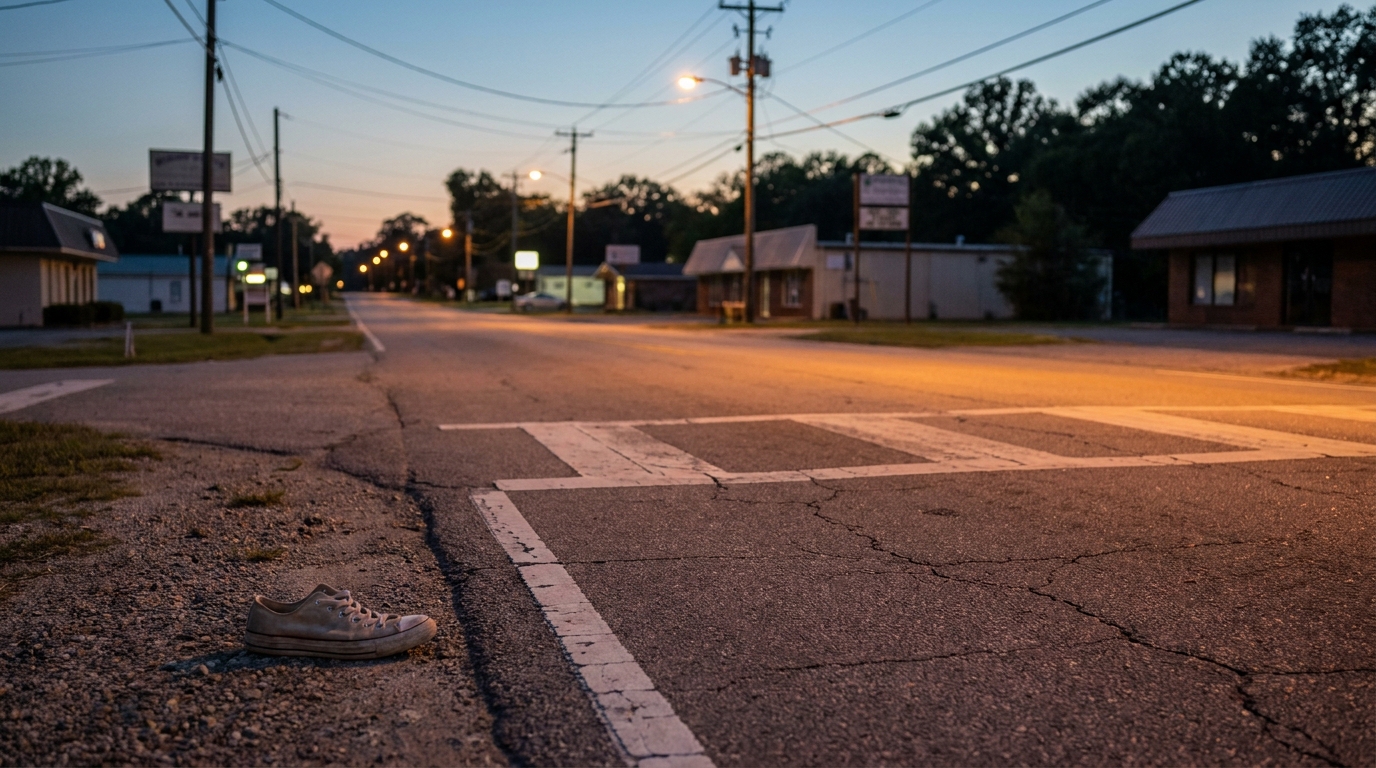
A fatal pedestrian hit-and-run in Orangeburg County on May 19, 2026, raises immediate legal questions for local families. According to WIS, the South Carolina Highway Patrol said the crash happened around 11:15 p.m. on Citadel Road near Regional Parkway, where a pedestrian walking in the westbound lane was struck by an unknown vehicle that fled the scene. For families in Orangeburg, South Carolina, this raises two questions: what happens in the criminal investigation, and what civil options exist if a loved one is seriously hurt or killed. (wistv.com)
Why this Orangeburg crash matters under South Carolina law
A hit-and-run death is not just a traffic story; it can become a wrongful death and survival case under South Carolina law. South Carolina’s wrongful death statute provides that when death is caused by wrongful act, neglect, or default of another, the liable party may face civil action for damages even if the death also involves criminal conduct. The personal representative handles settlement and litigation steps tied to wrongful death or survival claims. (scstatehouse.gov)
South Carolina law requires drivers in injury or death crashes to stop, provide information, and render reasonable assistance. Leaving the scene after a fatal impact exposes a driver to serious criminal penalties plus civil liability. (scstatehouse.gov)
Civil justice does not depend on a criminal conviction first. Criminal investigation focuses on identifying and charging the driver, while civil claims focus on proving duty, breach, causation, and damages. Families often need to preserve evidence early while both tracks develop. (scstatehouse.gov)
A realistic Orangeburg scenario for a grieving family
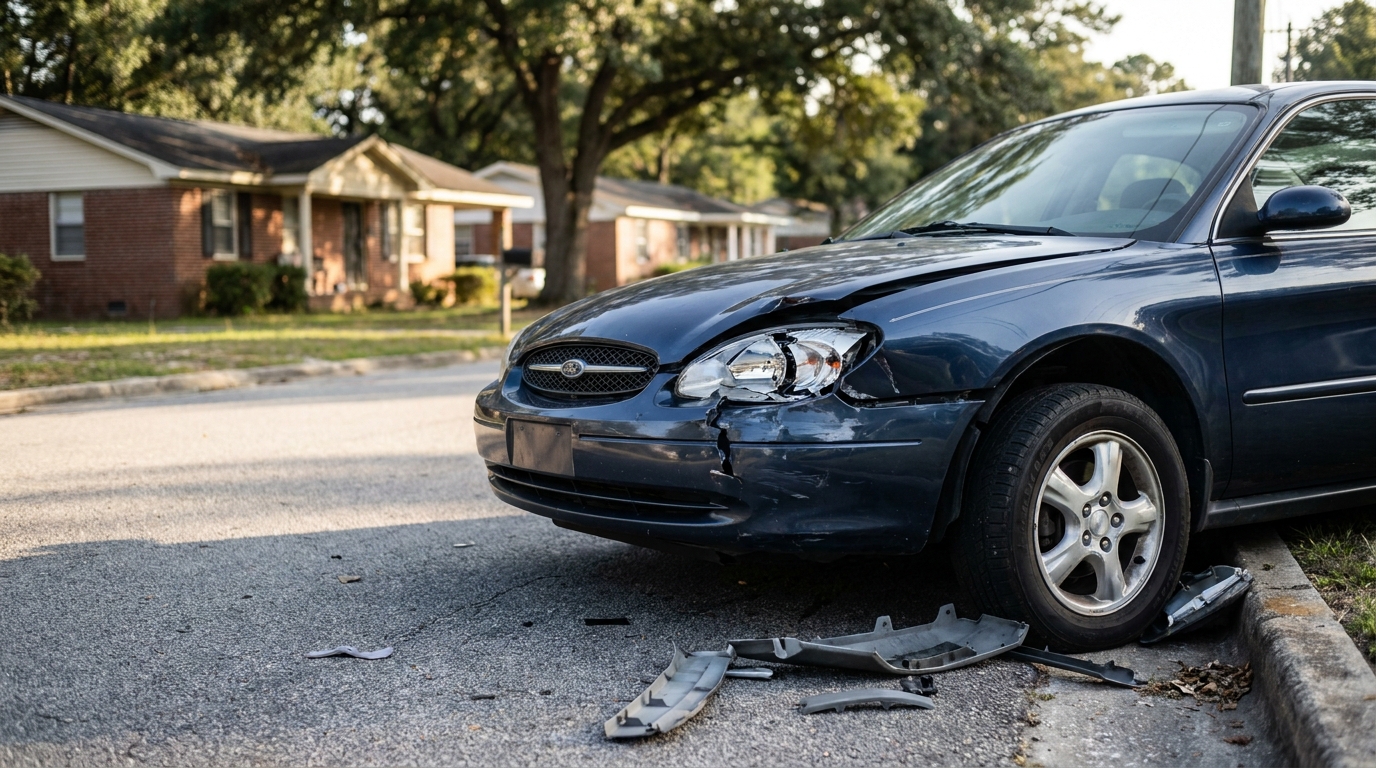
Imagine a family in Orangeburg receives a late-night call that a relative walking near a commercial corridor has been killed by a driver who disappeared. In the first days, the family deals with the coroner, funeral planning, shock, and questions about whether cameras captured the vehicle, whether witnesses exist, and whether insurance coverage applies.
Critical evidence may begin disappearing immediately. Surveillance footage can be overwritten. Vehicles get repaired. Witness memories fade. Cell phone data, roadway debris patterns, and 911 timing all matter, especially when the driver hasn’t been identified. That’s why an Orangeburg personal injury lawyer may begin civil work early, even while law enforcement continues investigating. (wistv.com)
What families often need to gather first
The first practical step is documentation. Families and injured pedestrians benefit from collecting and preserving:
- crash or incident report number;
- coroner or medical examiner information;
- photographs of scene, debris, lighting, and roadway markings;
- names of responding agencies and investigating officers;
- witness contact information;
- hospital, EMS, and billing records;
- proof of lost income or financial support; and
- nearby business or residential camera information.
Obtaining the report quickly helps clarify the basic timeline. Readers can review this guide on getting an Orangeburg County accident report. That won’t answer every liability question, but helps families start with the official record.
The broader pedestrian safety trend behind the headline
This Orangeburg case fits a larger pedestrian safety problem worsening nationally. NHTSA reports that in 2024, 7,080 pedestrians were killed and over 71,000 injured nationwide. The National Safety Council, citing NHTSA data, reports most pedestrian traffic deaths in 2024 occurred in urban settings, on open roads rather than intersections, and in dark conditions. (nhtsa.gov)
The crash timing is especially notable. WIS reported the collision happened around 11:15 p.m., and NHTSA data shows 25% of pedestrian fatalities occurred from 6 p.m. to 8:59 p.m. and another 26% from 9 p.m. to 11:59 p.m. NHTSA advises drivers to exercise extra caution at night because pedestrians are harder to see. (wistv.com)
Why hit-and-run cases are uniquely difficult
Hit-and-run pedestrian deaths present special proof problems. NHTSA reports 23% of pedestrian fatalities in 2021 involved hit-and-run drivers, noting common factors include poor lighting, early morning timing, and weekend occurrence. These patterns help explain why investigators and families often face evidentiary gaps. (nhtsa.gov)
Plaintiff-side case building often focuses beyond just the driver’s identity. Road design, visibility, speed evidence, vehicle damage, video footage, dispatch logs, and insurance coverage may all affect whether a family can pursue compensation and from whom.
When an Orangeburg personal injury lawyer may become important
A local fatal crash investigation can look simple yet be legally complicated. An Orangeburg personal injury lawyer may evaluate whether evidence supports a wrongful death claim, survival action, uninsured motorist issues, or claims involving additional negligent parties. This matters when the at-fault driver is unidentified, underinsured, or disputes fault.
South Carolina families should understand that civil deadlines and insurance deadlines differ. Multiple notice requirements, policy conditions, and filing deadlines can overlap. Courts typically interpret exceptions narrowly, and whether an exception applies depends on facts and claim type.
Questions that often shape the civil case
The legal analysis starts with practical questions:
- Was the driver identified, and if so, was the vehicle insured?
- Was there dashcam, business camera, or traffic camera footage?
- Did the pedestrian’s location, clothing, or direction of travel become part of the fault dispute?
- Is there uninsured or underinsured motorist coverage?
- Are there damages tied to medical care before death, funeral costs, lost financial support, or loss of companionship?
These issues influence both liability and value. They explain why families benefit from reviewing reliable personal injury resources early, before giving recorded statements or making assumptions about insurance coverage.
What compensation issues may arise after a fatal pedestrian hit-and-run
A civil claim after a fatal collision addresses financial and human losses. Depending on facts, a wrongful death or survival case may involve claims tied to medical expenses, funeral expenses, lost wages or support, and non-economic harms recognized by South Carolina law. The precise measure depends on evidence and which claim is pursued. (scstatehouse.gov)
Insurance companies examine these cases aggressively, especially where fault is disputed. In pedestrian cases, disputes may arise over visibility, lane position, impairment, roadway conditions, or whether the pedestrian was in a place the driver claims not to have expected.
Local facts matter more than national statistics. National data explains why nighttime pedestrian cases are serious and common, but compensation in one Orangeburg case turns on witness credibility, available coverage, physical evidence, and documented losses suffered by the surviving family and estate.
Orangeburg personal injury lawyer takeaways after a recent hit-and-run death
For Orangeburg readers, the most important takeaway is that a recent fatal hit-and-run can trigger both an active police investigation and separate civil analysis. WIS reported that troopers are investigating the May 19, 2026, crash on Citadel Road near Regional Parkway after an unknown vehicle allegedly struck and killed a pedestrian before leaving the scene. Families may wait on criminal developments while facing urgent evidence-preservation questions. (wistv.com)
An Orangeburg personal injury lawyer is often asked to step in at that moment of uncertainty. The goal is to identify what evidence exists, what claims may be available under South Carolina law, what insurance issues need attention, and what practical steps protect the family’s position while facts develop.
How Does This Impact Me?
What does this recent Orangeburg crash mean if my family lost someone in a similar collision?
The civil side may need attention even if law enforcement hasn’t identified the driver. A wrongful death or survival claim may still require fast evidence preservation, insurance review, and factual investigation. Options depend on specific facts, available coverage, and who has authority to act for the estate. (scstatehouse.gov)
Does a criminal case have to end before a civil claim can begin?
Not necessarily. Criminal and civil matters are separate, even arising from the same collision. A family may need to evaluate civil options while criminal investigation is ongoing because witness evidence, footage, and insurance information may not wait. (scstatehouse.gov)
Does this change my deadline to file a lawsuit?
Probably not automatically, but deadlines can be complicated. Different claims involve different rules, and any argument for tolling or delayed accrual may apply only in limited circumstances. Courts interpret exceptions narrowly, so it’s risky to assume extra time exists without fact-specific review.
What should I do in the first few days after a serious pedestrian crash?
Start by preserving information before it disappears. Seek medical care if the injured person survived, identify investigating agencies, request report information, save photographs and communications, and avoid casual assumptions about fault. If a death occurred, the personal representative and family may need guidance on what records, insurance policies, and estate documents matter first. (scstatehouse.gov)
If the driver fled, is there still any path to compensation?
Sometimes, yes. The answer may depend on whether the driver is later identified, whether there is applicable uninsured motorist coverage, and whether other facts point to additional liable parties. No recovery is guaranteed, but families shouldn’t assume a hit-and-run automatically ends the civil case.
What Orangeburg families should remember now
This May 2026 Orangeburg fatal hit-and-run is a reminder that pedestrian crashes are not isolated events and nighttime roadway deaths remain a major safety and legal issue. The reported facts place this collision within a pattern national data has highlighted: serious pedestrian danger in dark conditions, on open roads, and in cases where the driver leaves the scene. For families in Orangeburg, South Carolina, the practical implication is clear: criminal accountability and civil accountability are related yet separate, and both may matter after a fatal crash. (wistv.com)
If you’re trying to understand whether this recent news affects your situation, speaking with a lawyer may help you sort out the next step. Jeffcoat Injury and Car Accident Lawyers may provide general information about how South Carolina wrongful death and pedestrian injury claims work. You can call (803) 200-2000 or contact us today to learn more about your options.