
June 29, 2026 | Truck Accident Lawyer Near Me Columbia, SC
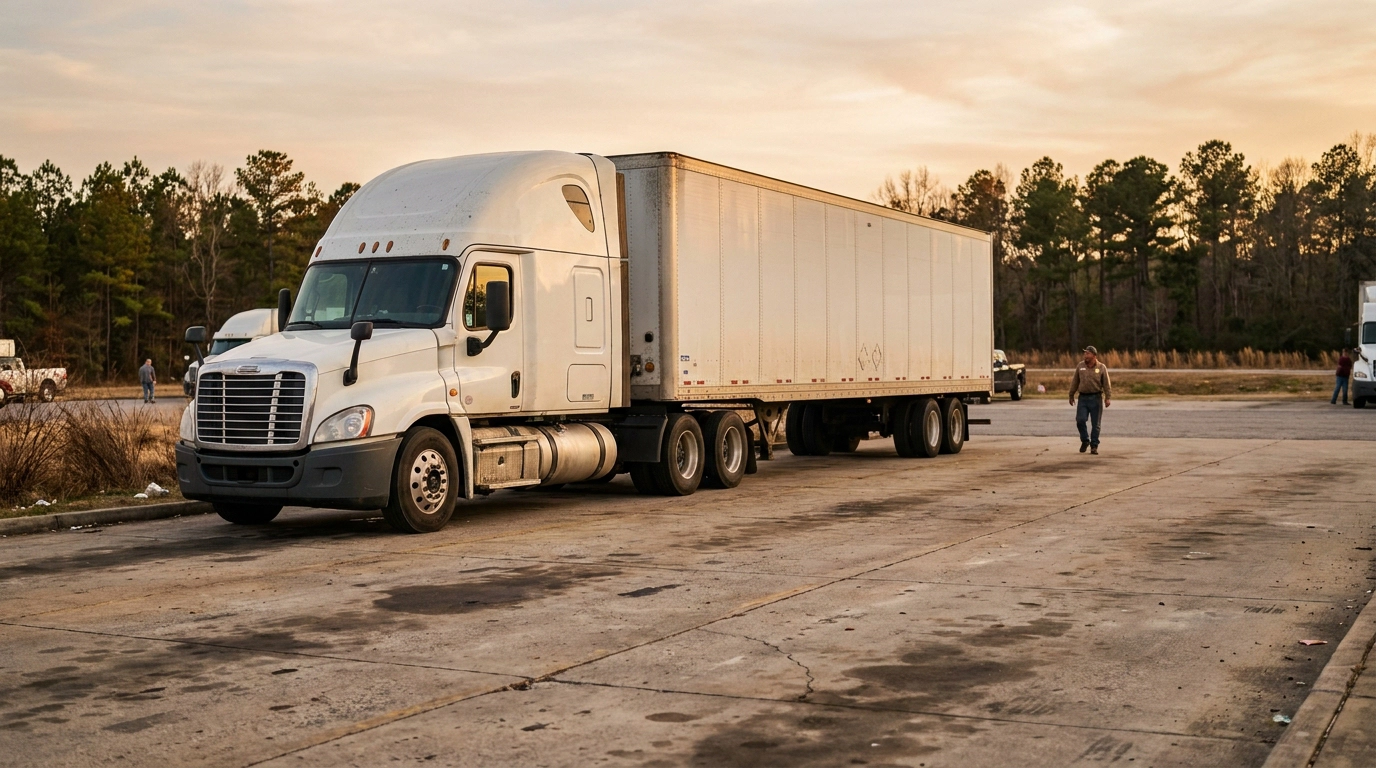
Facing the Aftermath of an 18-Wheeler Wreck in the Capital City
Key Takeaways: After a semi-truck crash in Columbia, SC, victims should stop and stay at the scene, seek prompt medical attention, document everything, and contact an attorney before speaking with insurers. South Carolina law requires drivers in serious collisions to stop immediately and avoid moving vehicles when great bodily injury or death is involved, preserving crucial evidence. As a traditional at-fault state with a 51% comparative negligence bar, careful documentation protects against unfair fault allocation. Personal injury lawsuits must be filed within three years, while wrongful death claims run from the date of death. Official accident reports cannot be used as trial evidence, making independent investigation critical. Acting quickly and securing a knowledgeable South Carolina truck accident attorney preserves options and strengthens claims.
A semi-truck crash in Columbia can change your life in seconds, so knowing what to do afterward protects both your health and legal rights. The most important steps are to stop, stay at the scene, seek medical attention, document everything, and contact an attorney before speaking with insurers. South Carolina law imposes specific duties after serious collisions, and early choices can shape the strength of any future claim.
If you or a loved one was hurt in a commercial truck collision, Jeffcoat Injury and Car Accident Lawyers is ready to help. Call (803) 200-2000 or reach out through our confidential case review page to discuss what happened.

Your Legal Duties at the Scene Under South Carolina Law
South Carolina law requires drivers involved in a serious crash to stop immediately and remain until legal obligations are met. Under SC Code § 56-5-1210(A), the driver of a vehicle involved in an accident resulting in injury to or death of a person must immediately stop at the scene or as close as possible. Leaving carries serious criminal consequences, making staying both a legal duty and practical necessity.
Preserving the crash scene is critical when injuries are severe. SC Code § 56-5-1210(B) provides that where a vehicle has been involved in an accident resulting in great bodily injury or death, the vehicle shall not be moved until authorized by the investigating officer. This helps accident reconstruction efforts, which can be vital in proving how a truck collision occurred.
💡 Pro Tip: If safe, photograph vehicle positions, skid marks, debris, and roadway conditions before anything is moved. These images become powerful evidence if liability is disputed.
Why Injury Severity Matters in Truck Crash Cases
The seriousness of an injury affects both criminal exposure of an at-fault driver and civil claim value. Under SC Code § 56-5-1210(E), great bodily injury means bodily injury which creates a substantial risk of death or which causes serious, permanent disfigurement, or protracted loss of or impairment of the function of a bodily member or organ. Semi-truck crashes frequently produce these catastrophic injuries due to size and weight disparity between 18-wheelers and passenger vehicles.
Prompt medical evaluation matters for both recovery and evidence. It creates a record connecting injuries to the crash. Symptoms often appear or worsen in following days, so following through with treatment is essential.
Establishing Fault and Preserving Evidence
South Carolina is a traditional at-fault state, which shapes how compensation works. South Carolina operates as a traditional at-fault tort state, where the driver responsible bears financial liability for medical expenses, lost wages, and pain and suffering. Liability can extend beyond the driver to carriers, brokers, or manufacturers.
Evidence of regulatory violations can help establish negligence. Commercial drivers must hold proper credentials, and SC Code § 56-1-2030 treats as a serious traffic violation driving a commercial motor vehicle without the proper class of commercial driver’s license. Identifying these issues early strengthens claims, which is why prompt investigation matters.
Be cautious about official accident reports. While reporting requirements exist, SC Code § 56-5-1340 states that no such report shall be used as evidence in any trial, civil or criminal, arising out of an accident. This is why independent investigation and preservation of physical evidence carry significant weight.
💡 Pro Tip: Trucking companies often dispatch investigators to crash scenes quickly. Sending a formal evidence preservation letter early helps prevent loss of logbooks, electronic data, and maintenance records.
Review the 7 critical steps after a semi-truck accident to feel prepared in those stressful first hours.
How Comparative Negligence Can Affect Your Recovery
South Carolina follows a modified comparative negligence rule with a 51% bar. A plaintiff who is 50% or less at fault may recover damages reduced by their share of fault, but a plaintiff 51% or more at fault is barred from any recovery. This standard was established in Nelson v. Concrete Supply Co., while S.C. Code Ann. § 15-38-15 addresses how fault is apportioned among multiple defendants.
Insurers may try to shift blame onto victims. Because fault percentage directly affects compensation, careful documentation and clear accounts protect against unfair fault allocation.
Filing Deadlines Every Semi-Truck Crash Victim Should Know
South Carolina sets firm time limits for filing injury and wrongful death lawsuits. Section 15-3-530(5) covers an action for assault, battery, or any injury to the person or rights of another, not arising on contract, within three years. Personal injury lawsuits must be filed within 3 years from the date of injury under S.C. Code Ann. § 15-3-530.
Wrongful death claims follow their own timing. Section 15-3-530(6) governs an action under Sections 15-51-10 to 15-51-60 for death by wrongful act, the period to begin to run upon the death of the person.
A discovery rule can affect when the clock starts, though courts apply it narrowly. Section 15-3-535 provides that actions under Section 15-3-530(5) must commence within three years after the person knew or by reasonable diligence should have known of a cause of action. Section 15-3-40 provides tolling for minors and persons with disabilities, though these exceptions are interpreted strictly.
| Type of Claim | General Deadline | Governing Authority |
|---|---|---|
| Personal injury | 3 years from injury | § 15-3-530(5) |
| Wrongful death | 3 years from date of death | § 15-3-530(6) |
| Discovery-based claims | 3 years from reasonable discovery | § 15-3-535 |
Review South Carolina’s limitation of civil actions chapter for complete details.
💡 Pro Tip: Don’t wait until deadlines approach. Investigations involving trucking companies can take months, and starting early preserves more options.
Working With a South Carolina Truck Accident Attorney
Securing knowledgeable legal help early eases the burden of pursuing claims. A qualified South Carolina truck accident attorney can investigate liability, preserve evidence, communicate with insurers, and explain available damages, which may include economic losses, non-economic harm, and sometimes punitive damages. South Carolina addresses limits on certain awards through its noneconomic damage framework in Title 15, Chapter 32.
Proper preparation levels the playing field against well-funded defendants. Commercial carriers and insurers have substantial resources, which is why many victims work with an experienced Columbia SC truck accident lawyer. Explore South Carolina’s civil remedies and procedures title to understand the governing framework.
Key tasks a South Carolina truck accident attorney may handle:
- Investigating driver logs, maintenance records, and federal compliance
- Identifying all potentially responsible parties
- Calculating economic and non-economic damages
- Managing insurance communications
- Filing claims within applicable deadlines
Frequently Asked Questions
1. How long do I have to file a truck accident lawsuit in South Carolina?
Generally, three years from the date of injury. Personal injury claims fall under S.C. Code Ann. § 15-3-530, and wrongful death claims run from the date of death. Confirm your deadline early.
2. What if I was partly at fault for the crash?
You may still recover, depending on fault percentage. Under South Carolina’s modified comparative negligence rule, recovery is reduced by your fault percentage, and being 51% or more at fault bars recovery entirely.
3. Can the police accident report be used in my lawsuit?
Not as direct trial evidence. Under § 56-5-1340, required accident reports generally cannot be used as evidence in civil or criminal proceedings. Independent evidence carries the weight in court.
4. Who can be held responsible after an 18-wheeler accident in Columbia?
Liability may extend beyond the driver. Depending on facts, the trucking company, brokers, or manufacturers may share responsibility. Identifying every liable party can affect recovery.
5. What should I do first after a truck crash?
Stop, stay at the scene, and seek medical care. Document the scene if possible, avoid moving vehicles when serious injuries are involved, and speak with an attorney before giving recorded statements to insurers.
Moving Forward After a Columbia Truck Collision
Recovering from a semi-truck crash involves both healing and protecting your legal rights. South Carolina law sets clear duties at the scene, recognizes the severity of catastrophic injuries, applies a 51% comparative negligence bar, and imposes firm filing deadlines. Acting promptly to preserve evidence and understand options generally puts you in a stronger position.
If you are dealing with the aftermath of a truck collision, the attorneys at Jeffcoat Injury and Car Accident Lawyers are prepared to explain your options. Call (803) 200-2000 or visit our secure contact form to share what happened. Taking that first step helps you move forward with greater clarity and confidence.