
July 12, 2026 | Truck Accident Lawyer Near Me Columbia, SC
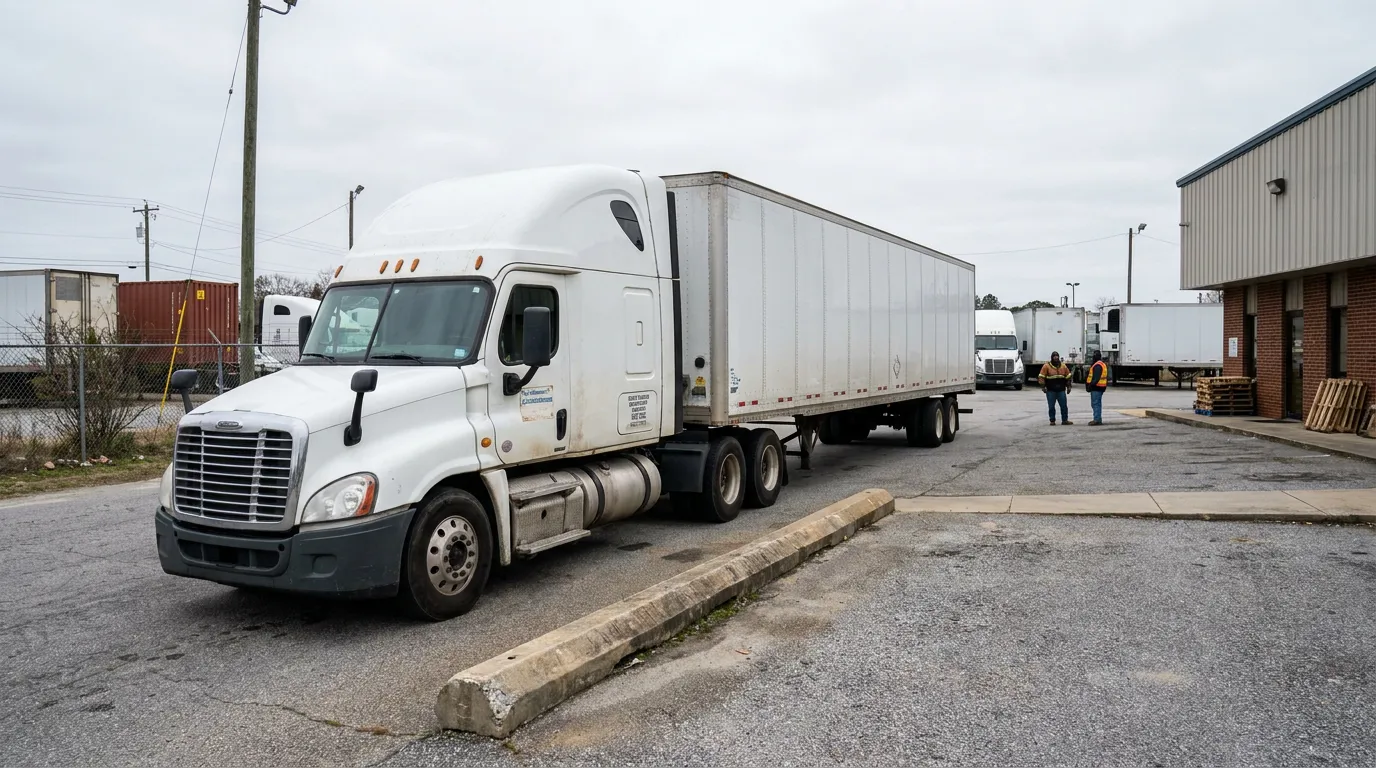
Understanding Who Pays After a Columbia Semi-Truck Crash
Key Takeaways: Yes, a trucking company can be held liable for a crash in Columbia, South Carolina, often as the most important defendant. Under respondeat superior, carriers face vicarious liability for their driver’s negligent acts within the scope of employment. Companies may also face independent claims for negligent hiring, training, supervision, or entrustment, and James v. Kelly Trucking Co. confirms these direct claims survive even when a company stipulates to vicarious liability. Commercial carriers typically carry far higher insurance limits than passenger-vehicle minimums. Personal injury and wrongful death claims generally carry a three-year statute of limitations, making prompt action essential.
A trucking company can absolutely be held liable for a crash in Columbia, South Carolina, and often represents the most important defendant. When an 18-wheeler causes a collision, the driver is rarely the only responsible party. South Carolina recognizes several legal theories allowing injured persons to pursue the motor carrier directly, including respondeat superior and independent claims for the company’s own negligence. Understanding these theories can mean the difference between modest recovery and full compensation from a company with substantial insurance coverage.
If you or a loved one was hurt in a commercial truck collision, the team at Jeffcoat Injury and Car Accident Lawyers is ready to help. Call us at (803) 200-2000 or reach our team through our contact page to discuss your situation.
💡 Pro Tip: After a serious truck crash, document the trucking company name, USDOT number, and trailer markings as soon as safe. These details help identify every potentially liable party early.
How Vicarious Liability Puts Trucking Companies on the Hook
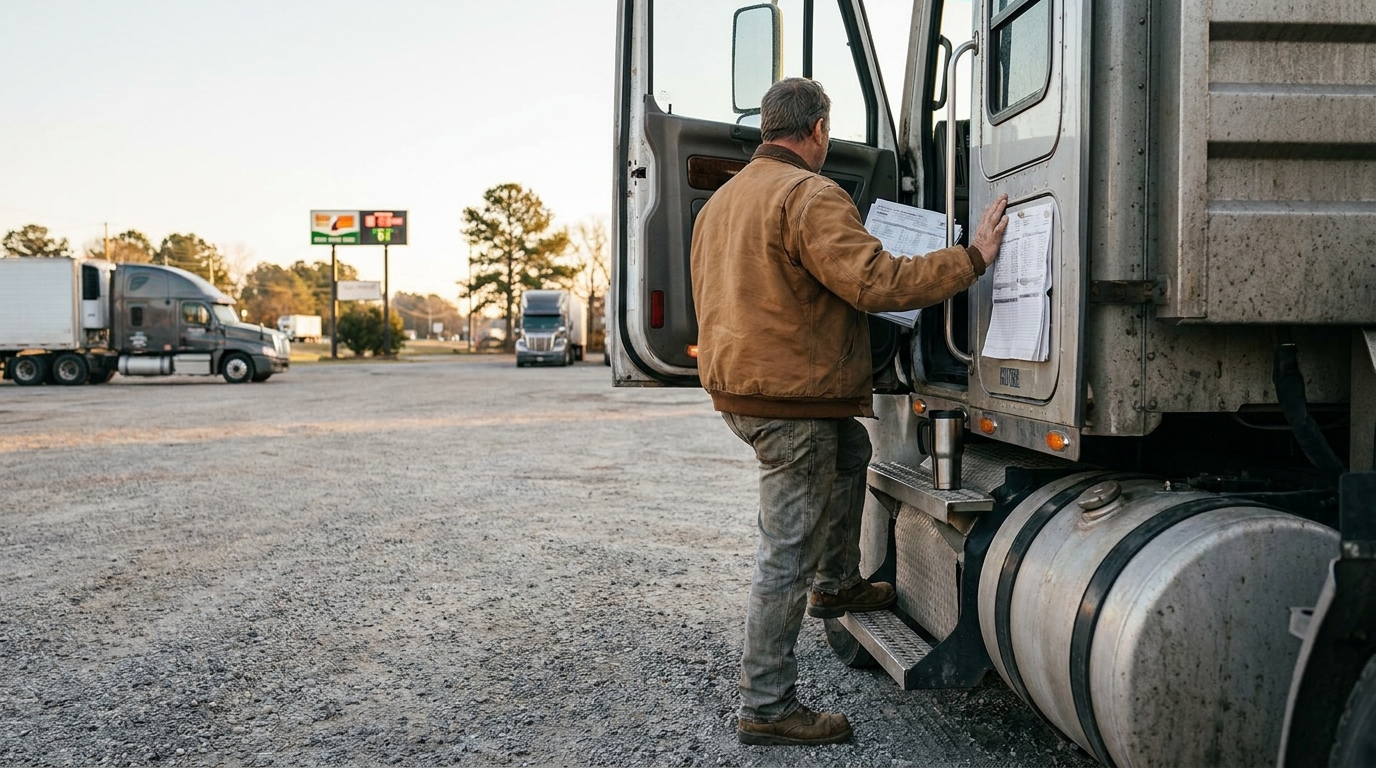
The doctrine of respondeat superior is often the first path to holding a carrier responsible. Under this rule, a trucking company can be held liable for its driver’s wrongful acts when those acts occur within the course and scope of employment, even when the company did nothing directly wrong. Respondeat superior holds an employer responsible for an employee’s wrongful acts when those acts fall within the scope of employment.
Importantly, vicarious liability does not depend on proving employer carelessness. South Carolina courts describe respondeat superior as liability not based on the negligence of the employer but on the employee’s conduct. When that relationship and scope of employment are established, the carrier and driver are answerable for the same negligent conduct, allowing an injured party to pursue damages from both.
One practical caution is that there is no single national standard for this doctrine. Because states create their own tests, South Carolina applies its own standard for determining employer liability. That is why working with someone familiar with state law matters, and why understanding trucking company liability Columbia SC rules can shape your case strategy.
When a Carrier’s Own Negligence Comes Into Play
Beyond vicarious liability, a trucking company may face responsibility for its own direct negligence. Claims for negligent hiring, training, supervision, or entrustment are separate causes of action against the company. These claims focus on the carrier’s own conduct, such as putting an unqualified driver on the road or failing to monitor a driver with a dangerous history.
South Carolina law allows plaintiffs to pursue both theories simultaneously. The state Supreme Court held that a plaintiff is generally not precluded from maintaining a cause of action for negligent hiring, training, supervision, or entrustment even after an employer stipulates vicarious liability. This advantage allows direct negligence claims to open the door to evidence about the company’s broader practices.
💡 Pro Tip: Evidence like driver qualification files, training records, and maintenance logs can disappear quickly. Sending a preservation letter early helps protect proof supporting direct negligence claims.
Common Ways Carriers May Be Directly Negligent
Several recurring patterns surface in commercial truck crash investigations. While every case depends on its own facts, the following issues frequently support trucking company negligence claims in Columbia:
- Hiring a driver with a poor safety record or insufficient qualifications
- Failing to provide adequate training for the equipment or route
- Inadequate supervision of hours, fatigue, or known violations
- Entrusting a vehicle to someone the company should not have trusted
- Poor maintenance or ignoring inspection requirements
Courts trust trial judges to manage how this evidence reaches a jury. South Carolina’s Supreme Court noted that completely barring a cause of action to shield the jury from potentially prejudicial evidence gives too little credit to a trial court’s ability to make evidentiary rulings and issue instructions.
What South Carolina Insurance and Tort Rules Mean for Your Claim
South Carolina operates under a tort system, shaping how recovery works after a truck wreck. Under this system, an at-fault driver or that driver’s employer can be held liable for damages they cause. The three basic coverages are bodily injury liability insurance, property damage liability insurance, and uninsured motorist coverage, providing multiple potential recovery sources.
Commercial carriers typically carry far more than minimum requirements. South Carolina requires a minimum of $25,000 per person for bodily injury, $50,000 for all persons injured in one accident, and $25,000 for property damage. These figures represent the floor for passenger vehicles, while semi-truck collisions often involve much larger commercial policies subject to higher federal financial-responsibility requirements for interstate carriers.
| Coverage Type | South Carolina Minimum |
|---|---|
| Bodily injury per person | $25,000 |
| Bodily injury per accident | $50,000 |
| Property damage per accident | $25,000 |
💡 Pro Tip: Do not assume the at-fault driver’s personal policy is the only coverage available. Commercial trucks frequently carry layered policies that can substantially increase available compensation.
Deadlines That Can Make or Break Your Claim
South Carolina sets firm time limits for filing truck accident claims. Personal injury claims generally fall under a three-year statute of limitations, as reflected in S.C. Code Section 15-3-530(5), which covers actions for injury to the person or rights of another. Missing this window can permanently bar a claim.
Wrongful death claims follow a related timeline. Under S.C. Code Section 15-3-530(6), an action for death by wrongful act must generally be filed within three years, with the period typically beginning on the date of death. You can review the statutory framework directly through the South Carolina statute of limitations code.
Understanding when an action begins matters. Under S.C. Code Section 15-3-20(B), a civil action is commenced when the summons and complaint are filed with the clerk of court, provided actual service is accomplished within 120 days. While limited exceptions and tolling rules can apply in narrow circumstances, courts interpret these exceptions narrowly.
Pursuing both vicarious and direct negligence theories together strengthens a case. These claims serve different purposes, and combining them can broaden both the evidence and potential recovery. For a deeper look at parties who may share fault, our discussion of semi-truck employer liability SC walks through the layered nature of these cases.
Why James v. Kelly Trucking Co. Matters for Your Case
One South Carolina Supreme Court decision stands at the center of carrier liability questions. In James v. Kelly Trucking Co., 377 S.C. 628, 661 S.E.2d 329 (2008), the court answered certified questions arising from a crash involving a driver employed by Kelly Trucking. The insurer stipulated that the driver was negligent and acting within the scope of employment.
The case confirmed that admitting vicarious liability does not erase direct negligence claims. Even after that stipulation, the court held that a plaintiff is not precluded from pursuing negligent hiring, training, supervision, or entrustment claims against the company. The full reasoning is available in the South Carolina Supreme Court opinion. For injured plaintiffs, this decision reinforces that a carrier’s stipulation is not a shield against accountability for its own conduct.
Working With a South Carolina Truck Accident Attorney
Building a strong case against a motor carrier takes prompt, organized action. A knowledgeable South Carolina truck accident attorney can help identify every liable party, preserve critical evidence, and frame both vicarious and direct negligence theories within statutory deadlines. Because outcomes depend heavily on specific facts, early investigation often shapes claim strength.
💡 Pro Tip: Keep a single folder with your medical records, crash report, photos, and any correspondence from insurers. Organized documentation makes evaluating carrier liability truck crash SC claims easier and more accurate.
Frequently Asked Questions
-
Can I sue both the truck driver and the trucking company in Columbia?
Yes, in many cases you can pursue both. South Carolina generally allows claims against the driver under respondeat superior and against the company for negligent hiring, training, supervision, or entrustment. -
Does the company’s admission of liability stop my other claims?
Not necessarily. Under James v. Kelly Trucking Co., plaintiffs are generally not precluded from maintaining direct negligence claims even after the employer stipulates vicarious liability. -
How long do I have to file a truck accident claim in South Carolina?
Personal injury claims generally must be filed within three years under S.C. Code Section 15-3-530(5). Wrongful death claims also carry a three-year period beginning on the date of death under S.C. Code Section 15-3-530(6). -
What insurance coverage applies to a semi-truck crash?
South Carolina’s tort system relies on bodily injury liability, property damage liability, and uninsured motorist coverage. Commercial carriers typically maintain higher limits than passenger-vehicle minimums. -
What does respondeat superior mean for my case?
It means the trucking company can be held responsible for its driver’s wrongful acts committed within the scope of employment, regardless of whether the company itself was directly negligent.
Holding the Right Parties Accountable
A trucking company in Columbia can be held liable through more than one legal path. Vicarious liability under respondeat superior, combined with independent claims for negligent hiring, training, supervision, or entrustment, gives injured people meaningful options against well-insured carriers. South Carolina’s tort system, statutory deadlines, and James v. Kelly Trucking Co. all reinforce that companies must answer for both their drivers’ conduct and their own. Because each case turns on its own facts, timely action remains essential.
If you are facing mounting bills and questions after a commercial truck collision, the team at Jeffcoat Injury and Car Accident Lawyers is here to listen. Call us today at (803) 200-2000 or send us your case details online to learn how South Carolina law may apply to your circumstances.