
July 2, 2026 | Car Accidents
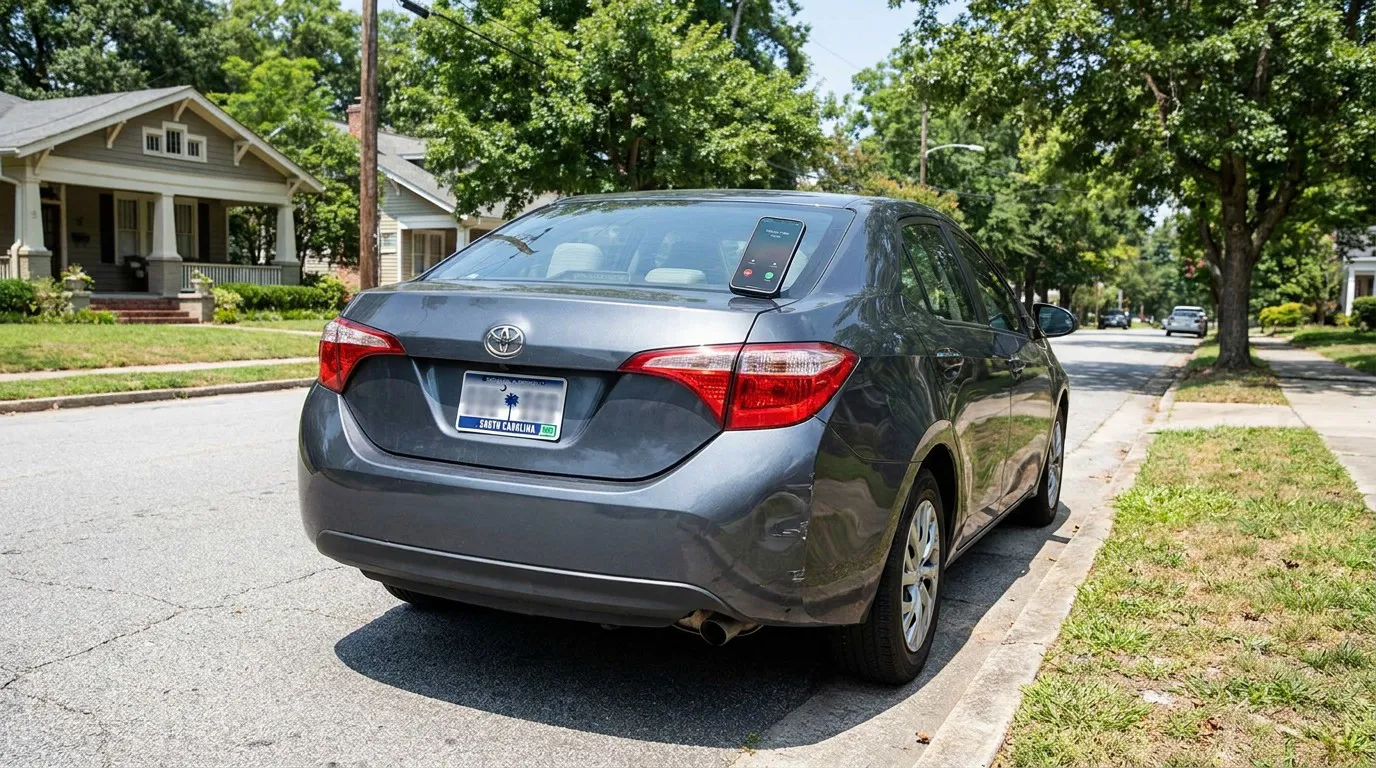
Understanding Your Reporting Duties After a Fender Bender in Columbia
Key Takeaways: Yes, many minor car accidents in Columbia must be reported because South Carolina law ties your duty to specific damage amounts and injuries rather than crash severity. When police don’t investigate, drivers must file Form FR-309 if damages exceed $1,000 or someone is hurt, and written DMV reports with insurance verification are required when property damage reaches $400 or more. Failing to report can lead to license suspension, security deposit requirements, and a presumption your vehicle was uninsured. South Carolina generally allows three years to file personal injury lawsuits. Taking safety, documentation, and prompt medical steps protects both your driving privileges and your right to recover compensation.
Even a low-speed collision in Columbia can carry surprising reporting obligations. Yes, many minor car accidents must be reported in South Carolina, even when damage looks small and no one feels seriously hurt. State law sets specific dollar thresholds and injury triggers that determine your duty to notify authorities, and missing these can affect both your driving privileges and your ability to recover compensation later.
If you were injured in a crash and feel uncertain about your next steps, Jeffcoat Injury and Car Accident Lawyers can help. Reach the team online through the firm’s contact page, learn more at Jeffcoat Injury and Car Accident Lawyers, or call (803) 200-2000 to discuss what happened.
What to Do After a Minor Car Accident on Columbia Roads
Your first priority after any collision is safety, followed by documentation. Even a minor crash can produce injuries that surface hours or days later, so check on everyone involved and move to a safe location first. Once safe, the steps you take can shape any future claim and help you meet legal obligations.
Knowing what to do after a minor car accident includes:
- Exchange names, contact details, insurance information, and license plates with the other driver.
- Photograph vehicle damage, road conditions, traffic signals, and visible injuries.
- Identify witnesses and record their contact information.
- Seek medical evaluation promptly, even if you feel fine.
- Note whether law enforcement responded and investigated.
These steps matter because police presence changes your reporting duties. When officers respond to a Columbia crash, they typically generate the official record. When they don’t, the responsibility often shifts to you.
💡 Pro Tip: Save accident photos and notes in multiple places, such as your phone and a cloud account. Evidence collected in the first hour is often the most reliable record if an insurer later disputes how the collision occurred.
When South Carolina Law Requires You to Report a Crash
South Carolina ties your reporting duty to specific damage amounts and injuries. The relevant rules appear in South Carolina’s motor vehicle code. Review the controlling provisions in Title 56, Chapter 9 of the state code.
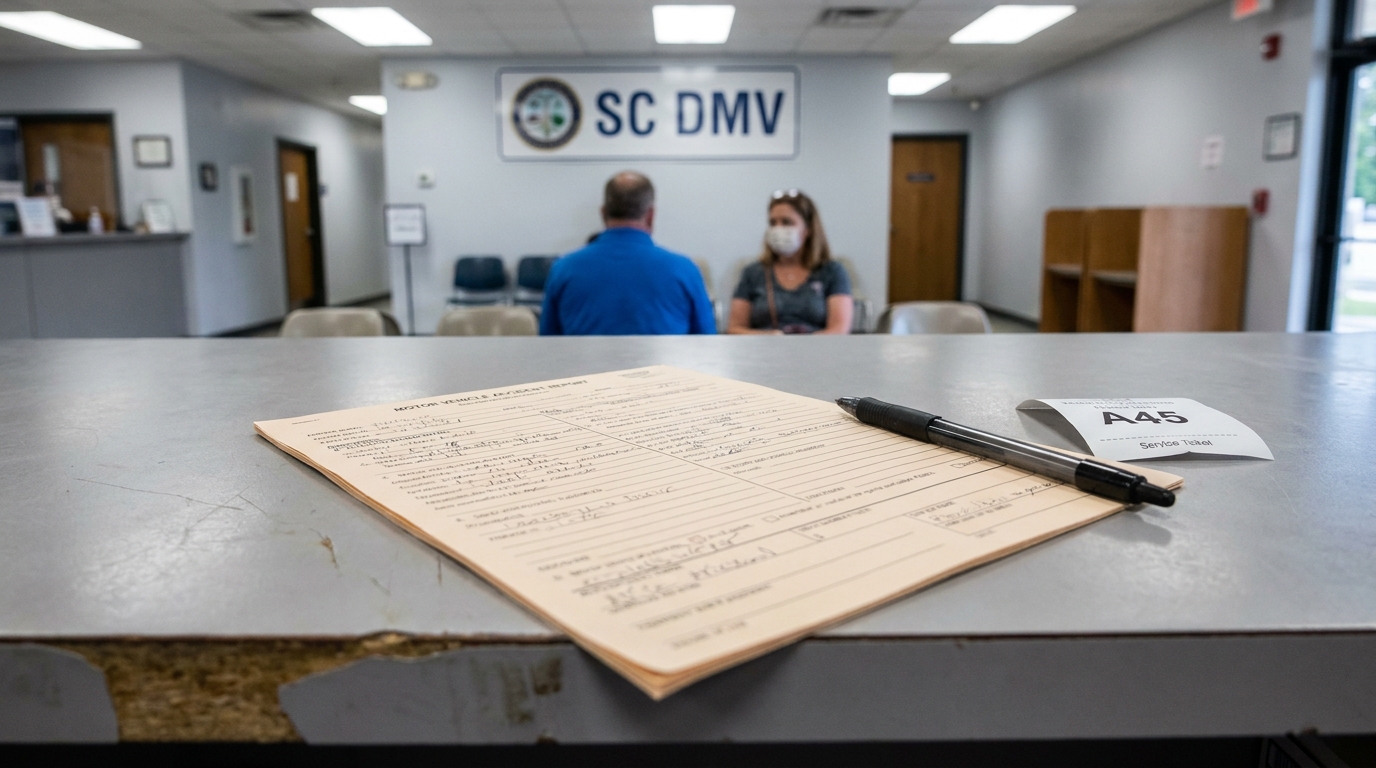
A key threshold applies when law enforcement doesn’t investigate. If law enforcement didn’t investigate and damages exceed $1,000 or the crash resulted in injury or death, the South Carolina Department of Motor Vehicles requires all drivers to submit Traffic Collision Report Form FR-309. This self-reporting duty often surprises people who assume a fender bender with no officer present requires nothing further.
Self-Reporting When the Scene Has Changed
The obligation to report yourself generally arises after vehicles have left the original scene. Self-reporting applies when vehicles have moved and damages exceed $1,000 or resulted in injury or death. Columbia drivers who pull into a parking lot to exchange information sometimes assume the matter is closed, when a written report may still be due.
If unsure whether your situation requires paperwork, understand when you must file Form FR-309 and how that document fits into the broader reporting process.
Lower Dollar Thresholds Under the Statute
Beyond the FR-309 trigger, the statute references additional thresholds. Under Section 56-9-350, vehicle operators or owners involved in accidents not investigated by law enforcement must furnish the DMV a written report and verification of liability insurance coverage when property damage reaches a set level or someone is hurt. Section 56-9-350 applies when accidents result in property damage of $400 or more, or bodily injury or death.
💡 Pro Tip: Because repair estimates for modern vehicles climb quickly, even seemingly minor crashes often exceed these thresholds. When in doubt, treat the accident as reportable rather than risk penalties.
| Reporting Trigger | Threshold Under SC Law |
|---|---|
| FR-309 self-report (no police investigation) | Damages over $1,000, or injury or death |
| Written report and insurance verification to DMV | Property damage of $400 or more, or injury or death |
| Security deposit / suspension exposure | Property damage of $200 or more, or injury or death |
Insurance Verification and the Risks of Staying Silent
South Carolina pairs accident reporting with proof you carried valid insurance. Section 56-9-350 requires operators or owners involved in accidents resulting in property damage of $400 or more, or bodily injury or death, to complete a verification of insurance coverage form and return it to the DMV. This confirms you met the state’s financial responsibility requirements at the crash time.
Ignoring that form carries serious evidentiary consequences. Failure to return the properly verified form is prima facie evidence the vehicle was uninsured. Silence can be held against you, so meeting the deadline matters.
Suspension and Security Deposit Exposure
Failing to handle reporting and insurance obligations can affect your license and registration. Under Section 56-9-351, the DMV shall suspend the license of each operator or driver who is also the owner of the vehicle, and all registrations of each owner, involved in accidents causing property damage of $200 or more or bodily injury or death; nonresident operators or owners may avoid suspension by depositing security of at least $200. Drivers who carried coverage generally avoid this requirement. Section 56-9-352(1) provides an exception for operators or owners who had automobile liability policies covering the vehicle at the accident time.
Carrying adequate coverage protects you on both sides of a claim. Section 38-77-140 sets minimum limits of at least $25,000 for bodily injury to or death of one person, $50,000 for bodily injury to or death of two or more persons, and $25,000 for injury to or destruction of property. These minimums frame what may be available after a Columbia crash, though every case depends on specific facts.
💡 Pro Tip: Keep a current photo of your insurance card in your phone. Quick access to verified coverage details makes the DMV verification process smoother if you need to report a minor crash.
How Reporting Connects to Your Right to Recover Compensation
Reporting requirements and your right to pursue civil claims are related but separate. Meeting DMV obligations addresses administrative duties, while personal injury claims are distinct civil matters governed by different deadlines.
South Carolina sets a firm window for filing most injury lawsuits. Under Section 15-3-20(A), civil actions may only be commenced within prescribed periods after the cause of action accrues. South Carolina generally applies a three-year statute of limitations for personal injury actions under Section 15-3-530(5), with the clock starting when the injured party knew or reasonably should have known of the injury (the discovery rule). Courts recognize several exceptions including tolling for minors, mental incapacity, and defendant absence from the state. For the state’s limitation of civil actions, see limitation of civil actions statute.
The stakes are high because South Carolina roads remain dangerous. South Carolina recorded 1,038 motor vehicle crash deaths in 2024, with a fatality rate of 18.9 per 100,000 people, well above the national average of 11.5. The state also reported the highest percentage of car occupant deaths at 38%. A collision that looks minor can reveal more serious harm later, which is why timely documentation matters.
If your situation involves disputed fault or developing injuries, guidance from a Columbia auto accident lawyer can help you understand how reporting steps and civil deadlines interact in your case.
💡 Pro Tip: Track every medical visit, repair invoice, and missed workday in a single folder. Organized records make it easier to connect a minor collision to the full extent of your losses if symptoms worsen.
Frequently Asked Questions
-
Do I have to call the police after a minor crash in Columbia?
Calling the police is often the simplest way to create an official record. If officers respond and investigate, they typically generate the report. When they don’t investigate and damages exceed statutory thresholds or someone is hurt, the duty to report shifts to you under South Carolina law.
-
What happens if I do not report a minor accident?
Failing to meet reporting and insurance verification duties creates real consequences. These may include license and registration suspension and the risk that the DMV treats your vehicle as uninsured. The specific outcome depends on damage amount, injuries, and your insurance status.
-
How long do I have to file a personal injury claim in South Carolina?
South Carolina generally allows three years from the date the cause of action accrued under Section 15-3-530(5), with the clock often running from when the injured party knew or reasonably should have known of the injury (the discovery rule). Certain exceptions may shorten or extend that window in limited circumstances, and courts recognize several tolling doctrines.
-
Is the FR-309 form the same as a personal injury claim?
No, the FR-309 is an administrative reporting form, not a lawsuit. Submitting it satisfies a DMV obligation when police didn’t investigate. Pursuing compensation for injuries is a separate civil process with its own deadlines and requirements.
-
What if my injuries appear days after the crash?
Delayed symptoms are common after minor collisions and should be taken seriously. Prompt medical evaluation creates a record linking your injuries to the crash. That documentation can prove important if you later pursue a claim.
Protecting Your Claim After a Minor Collision
A minor car accident in Columbia is rarely as simple as exchanging information and driving away. South Carolina’s reporting framework, insurance verification rules, and civil filing deadlines all work together, and overlooking any one can create avoidable complications. Understanding what to do after a minor car accident protects both your driving privileges and your potential right to recover.
If you were hurt in a Columbia collision and want to understand your reporting duties and legal options, the team at Jeffcoat Injury and Car Accident Lawyers is ready to listen. Reach out through the online case review form or call (803) 200-2000 to take the next step today.