
June 8, 2026 | Truck Accident Lawyer Near Me Columbia, SC
What Qualifies as a Commercial Truck in South Carolina?
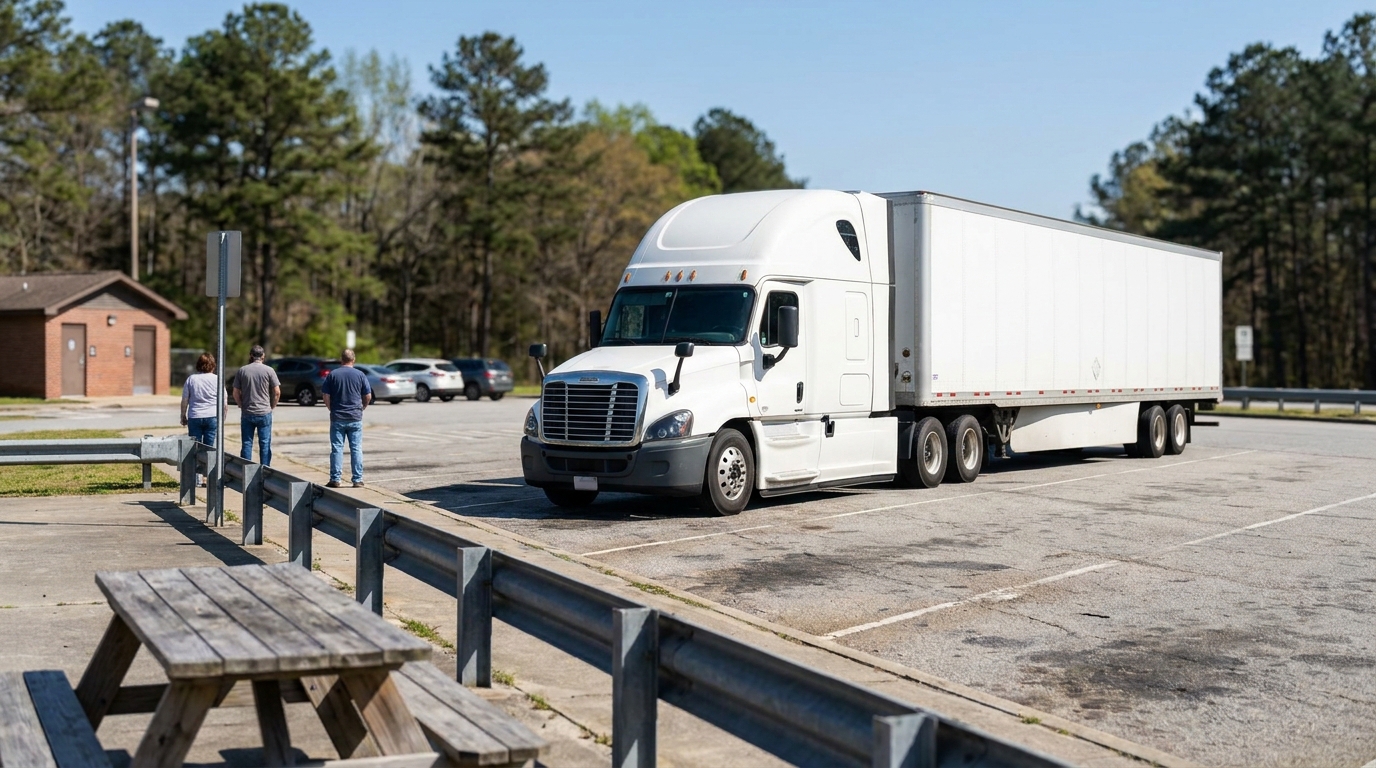
If you or a loved one suffered serious injuries in a collision with a large truck, one of the first questions to address is whether the vehicle legally qualifies as a commercial motor vehicle (CMV). The answer determines which federal and state regulations apply, which parties may be liable, and how much insurance coverage may be available. In South Carolina, the definition of a commercial truck is broader than many realize, significantly affecting the strength of your injury claim. Whether you were struck by a tractor-trailer on I-26, sideswiped by a delivery truck on I-77, or hurt in a crash involving a passenger shuttle, the vehicle classification shapes the legal landscape of your case.
If you need guidance after a serious truck crash, Jeffcoat Injury and Car Accident Lawyers is ready to help. Call (803) 200-2000 or contact us today to discuss your options.

How Federal Law Defines a Commercial Motor Vehicle
The federal definition of a CMV comes from the Federal Motor Carrier Safety Administration (FMCSA) and applies to vehicles used in interstate commerce. Under 49 CFR § 390.5, a commercial motor vehicle means any self-propelled or towed motor vehicle used on a highway in interstate commerce to transport passengers or property when it meets at least one of several criteria.
The weight threshold is lower than most people expect. A vehicle with a gross vehicle weight rating (GVWR), gross combination weight rating (GCWR), gross vehicle weight, or gross combination weight of 10,001 pounds or more qualifies as a CMV under 49 CFR § 390.5(1). This means many box trucks, large pickup trucks hauling trailers, and straight trucks used for local deliveries can be classified as commercial vehicles.
Passenger and Hazmat Vehicles Count Too
Commercial truck classifications extend well beyond freight haulers. Under 49 CFR § 390.5(2), vehicles designed or used to transport more than 8 passengers, including the driver, for compensation are CMVs. Vehicles designed or used to transport more than 15 passengers, including the driver, without compensation also qualify under 49 CFR § 390.5(3). Additionally, any size vehicle transporting hazardous materials requiring placarding is classified as a CMV under 49 CFR § 390.5(4). This means shuttle vans, tour buses, and tanker trucks may all trigger heightened regulatory requirements for commercial carriers.
💡 Pro Tip: After a truck crash, photograph any USDOT numbers, company logos, or hazmat placards on the vehicle. This information helps determine whether the vehicle qualifies as a CMV and which regulations the driver and carrier were required to follow.
Truck Accident Lawyer Near Me: Why the CMV Classification Matters for Your Claim
The commercial classification of a truck directly affects how much compensation may be available and who can be held responsible. When a vehicle qualifies as a CMV, the driver and motor carrier must comply with extensive FMCSA regulations covering hours of service, vehicle maintenance, driver qualifications, and drug and alcohol testing. Violations of these rules can serve as powerful evidence of negligence. A Columbia SC truck accident lawyer can investigate whether regulatory violations contributed to your crash.
Carriers operating CMVs are also subject to mandatory insurance requirements that generally exceed those for standard passenger vehicles. Under South Carolina law, S.C. Code Regs. § 38-412(1) requires motor carriers to maintain insurance policies or surety bonds to pay any final judgment for bodily injuries, death, or property damage resulting from negligent operation. This requirement provides important financial protection for crash victims.
💡 Pro Tip: The insurance obligations under S.C. Code Regs. § 38-412 apply regardless of whether the crash occurred on the carrier’s authorized route. Coverage extends to losses occurring anywhere within South Carolina.
Key CMV Weight and Passenger Thresholds at a Glance
Because the federal CMV definition includes several distinct categories, a quick comparison can help clarify which vehicles qualify.
| CMV Criteria | Threshold | Federal Authority |
|---|---|---|
| Gross vehicle weight rating (GVWR), gross combination weight rating (GCWR), gross vehicle weight (GVW), or gross combination weight (GCW) | 10,001 pounds or more | 49 CFR § 390.5(1) |
| Passengers transported for compensation | More than 8 (including driver) | 49 CFR § 390.5(2) |
| Passengers transported without compensation | More than 15 (including driver) | 49 CFR § 390.5(3) |
| Hazardous materials requiring placarding | Any vehicle size | 49 CFR § 390.5(4) |
This table shows that vehicles well below the size of a typical tractor-trailer can still fall under the CMV umbrella. If you are unsure whether the truck involved in your crash meets these thresholds, an attorney with experience handling commercial vehicle crash cases in South Carolina can help evaluate the facts.
💡 Pro Tip: Even if the at-fault driver claims they were operating a "personal" vehicle, it may still qualify as a CMV based on its weight rating or cargo. The GVWR is stamped on the manufacturer’s label, not determined by the load being carried at the time of the crash.
Insurance Protections for Truck Accident Victims in South Carolina
South Carolina law provides meaningful safeguards for people injured by negligent commercial carriers. Under S.C. Code Regs. § 38-412, the liability of the insurance or bonding company extends to losses, damages, injuries, or deaths whether occurring on the carrier’s authorized route or elsewhere within the state. This means carriers cannot avoid coverage obligations by arguing a crash happened outside their permitted territory.
Perhaps most importantly, the bankruptcy or insolvency of the motor carrier does not relieve the insurance company of its payment obligations. Under S.C. Code Regs. § 38-412, this protection ensures injured victims are not left without recourse simply because a trucking company goes out of business or lacks assets. This is critical in any South Carolina trucking injury claim, as commercial truck crashes often result in catastrophic injuries with extensive medical costs and long-term care needs.
Multiple Liable Parties in a Truck Crash
In many truck accident cases, more than one party may bear responsibility for your injuries. Depending on the facts, potential defendants can include:
- The truck driver who caused the crash
- The trucking company or motor carrier that employed or contracted the driver
- The vehicle or parts manufacturer if a mechanical defect contributed
- A freight broker or shipper if improper loading or scheduling played a role
- A maintenance company responsible for inspecting and repairing the vehicle
Identifying all potentially liable parties is important because it may increase the total pool of available insurance coverage. An attorney handling big rig crash claims can investigate the chain of responsibility and pursue claims against each negligent party.
South Carolina’s Statute of Limitations for Truck Accident Claims
Time is a critical factor in any truck injury case. Under SC Code Title 15, Chapter 3, South Carolina imposes a 3-year statute of limitations for personal injury actions. SC Code § 15-3-530(5) establishes a three-year limitations period for actions to recover damages for personal injuries. For most truck accident claims, you generally have three years from the date of the crash to file a lawsuit.
Missing this deadline can result in permanent loss of your right to seek compensation. While limited exceptions may exist, courts in South Carolina generally interpret tolling provisions strictly. Evidence in truck accident cases, including electronic logging device data, driver logs, and maintenance records, can be lost or destroyed if you wait too long to take action.
💡 Pro Tip: Trucking companies are only required to retain certain records for limited periods. Acting quickly after a crash allows your attorney to send preservation letters demanding that carriers retain all relevant evidence before it is routinely deleted.
Licensing Requirements Add Another Layer
The drivers operating CMVs must hold the appropriate commercial driver’s licenses for the class of vehicle they are driving. If a driver involved in your crash lacked the proper CDL or endorsements, that fact can serve as additional evidence of negligence and may support claims against the carrier for negligent hiring or supervision.
Frequently Asked Questions
1. Does a delivery van qualify as a commercial motor vehicle?
It can, depending on its weight and use. Under 49 CFR § 390.5, any vehicle with a GVWR of 10,001 pounds or more used in interstate commerce qualifies as a CMV. Many large delivery vans exceed this weight threshold. The manufacturer’s GVWR, not the actual load at crash time, determines whether the threshold is met.
2. How long do I have to file a truck accident lawsuit in South Carolina?
South Carolina generally allows three years from the accident date to file a personal injury lawsuit. This deadline comes from SC Code § 15-3-530(5). However, specific circumstances may affect this timeline, so consulting an attorney promptly is advisable.
3. Can I still recover compensation if the trucking company goes bankrupt?
In many cases, yes. Under S.C. Code Regs. § 38-412, the bankruptcy or insolvency of the motor carrier does not relieve the insurance company of its obligations. The carrier’s insurer may still be required to pay valid claims even if the trucking company itself cannot.
4. What makes a truck accident case different from a regular car accident case?
Truck accident cases typically involve stricter federal regulations, higher insurance policy limits, and more potentially liable parties. CMV operators must comply with FMCSA rules governing driver qualifications, hours of service, maintenance, and cargo securement. Violations strengthen negligence claims. Additionally, injuries in truck crashes are generally more severe due to commercial vehicle size and weight.
5. Who can be held liable in a tractor-trailer accident in South Carolina?
Multiple parties may share liability, including the driver, the motor carrier, vehicle manufacturers, maintenance providers, and freight brokers. The specific facts of each crash determine which parties bear responsibility. An attorney can investigate the full chain of liability to pursue maximum recovery.
Protecting Your Rights After a Commercial Truck Crash
Understanding what counts as a commercial truck in South Carolina is a foundational step in building a strong injury claim. The federal CMV definition under 49 CFR § 390.5 is broader than many victims realize, covering not just semi-trucks but also mid-size trucks, passenger vehicles, and hazmat carriers that meet specific thresholds. South Carolina’s insurance requirements under S.C. Code Regs. § 38-412 add important protections, and the state’s 3-year statute of limitations under SC Code Title 15, Chapter 3 makes prompt action essential. Getting the right legal guidance early can make a meaningful difference in your recovery.
If you were injured in a truck accident anywhere in South Carolina, Jeffcoat Injury and Car Accident Lawyers is here to fight for the compensation you deserve. Call (803) 200-2000 or reach out online to schedule a consultation.