
June 22, 2026 | Car Accident Lawyer Near Me Columbia, SC
Understanding T-Bone Accidents and Their Devastating Impact in Columbia, SC
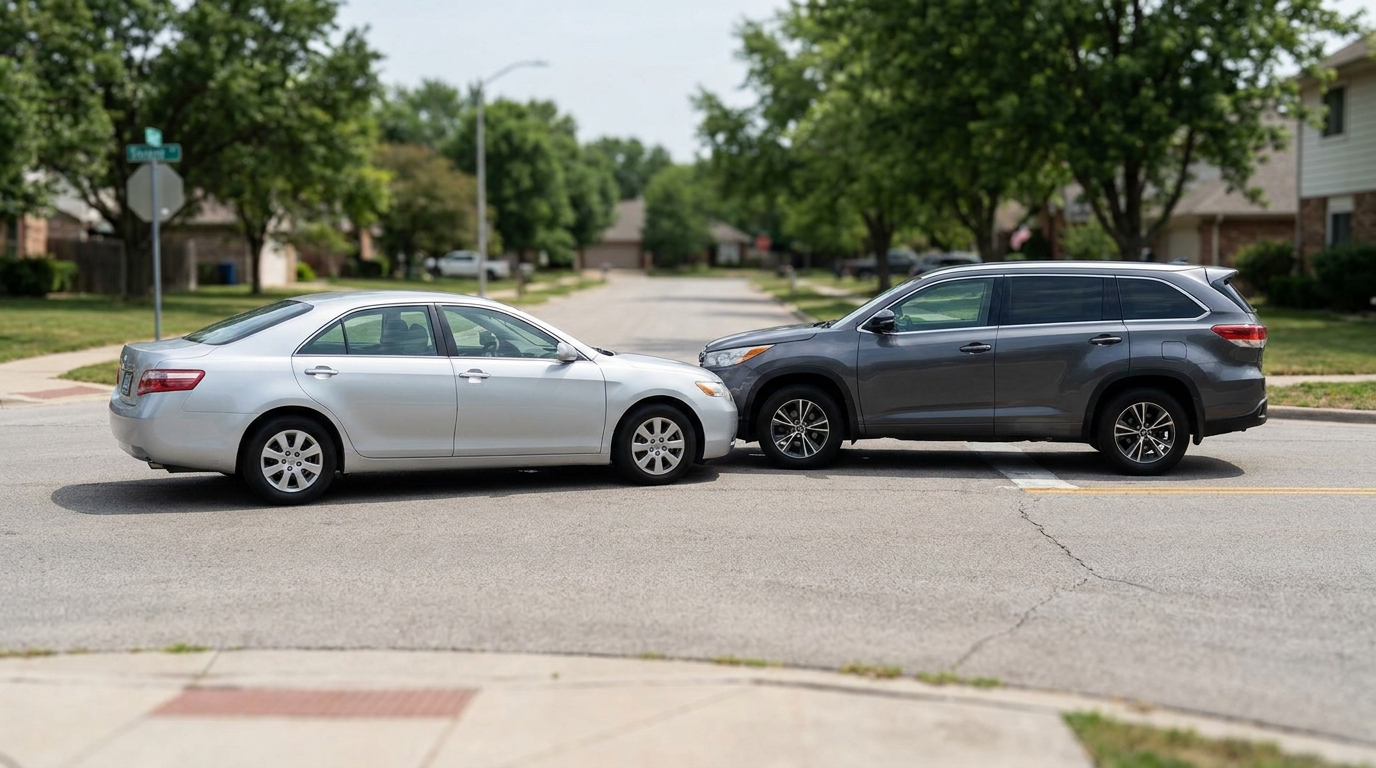
A T-bone accident, also known as a side-impact collision, occurs when the front of one vehicle strikes the side of another, forming a "T" shape at the point of impact. These crashes most often happen at intersections when a driver runs a red light, ignores a stop sign, or fails to yield the right of way. Unlike head-on or rear-end collisions, side-impact crashes leave occupants with minimal structural protection, since vehicle doors and side panels offer far less cushioning than the front or rear of a car.
If you need guidance after a t-bone accident in Columbia, South Carolina, Jeffcoat Injury and Car Accident Lawyers is here to help. Call (803) 200-2000 or reach out online to discuss your situation today.

Why T-Bone Crashes Are the Deadliest Moving-Vehicle Collision Type
The numbers paint a stark picture of just how dangerous angle collisions truly are. In 2023, angle collisions, which include T-bone crashes, were the most common type of fatal collision involving a moving motor vehicle, accounting for 7,044 fatal crashes and 18.7% of all fatal crashes nationwide. By comparison, head-on collisions accounted for roughly 4,230 fatal crashes (11.2%), and rear-end collisions about 2,701 (7.2%). These highway safety statistics confirm that side-impact crashes pose a uniquely severe threat.
| Collision Type | Fatal Crashes (2023) | Percentage of Total |
|---|---|---|
| Angle (includes T-bone) | 7,044 | 18.7% |
| Head-on | 4,230 | 11.2% |
| Rear-end | 2,701 | 7.2% |
The reason T-bone collisions cause such catastrophic harm comes down to basic vehicle design. The front and rear of a car have crumple zones, engine blocks, and trunk space to absorb force. The side has only a thin door panel and window separating an occupant from the incoming vehicle. This means t-bone crash injuries often include traumatic brain injuries, spinal cord damage, broken ribs, pelvis fractures, and internal organ damage.
💡 Pro Tip: After any intersection accident in Columbia, SC, seek medical attention immediately, even if you feel fine. Many serious injuries from side-impact collisions, such as internal bleeding or soft tissue damage, may not produce symptoms for hours or days.
Common Causes of a T-Bone Accident in Columbia, South Carolina
Failure to yield the right of way is one of the leading driver behaviors linked to fatal T-bone crashes. In 2023, failure to yield was reported in over 4,500 fatal crashes nationwide, representing 7.9% of all fatal crash-related driving behaviors. Columbia’s busy intersections along roads like Two Notch Road, Assembly Street, and Forest Drive see heavy traffic daily, creating frequent opportunities for this dangerous error.
Other common causes include:
- Running red lights or stop signs
- Distracted driving, including texting or adjusting a GPS
- Impaired driving due to alcohol or drugs
- Making left turns without a clear gap in oncoming traffic
- Speeding through yellow lights
South Carolina recorded 1,047 motor vehicle traffic deaths in 2023, a 4% decrease from 1,094 in 2022. While any reduction is welcome, the state’s fatality numbers remain high, and Columbia continues to see significant intersection collisions. Learning about the most dangerous intersections in Columbia can help you stay alert.
💡 Pro Tip: If you frequently drive through high-traffic intersections, consider using a dashcam. Video evidence can be invaluable when establishing fault in an injury claim.
How Fault Is Determined After a Side-Impact Collision in South Carolina
Establishing who caused the crash is central to any t-bone accident Columbia South Carolina injury claim. South Carolina follows a modified comparative negligence standard under the 51 percent bar rule, codified at SC Code § 15-38-15. Under this principle, a jury assigns a percentage of fault to each party, and the plaintiff’s recoverable damages are reduced by their percentage of fault. For instance, if you are found 40% at fault, you may only recover 60% of your total damages. If you are assigned 51% or more of the fault, you are barred from recovering damages.
This rule makes the details of your crash matter enormously. Police reports, witness statements, traffic camera footage, and accident reconstruction analysis all play a role in determining each driver’s share of responsibility.
💡 Pro Tip: Avoid giving recorded statements to the other driver’s insurance company before speaking with an attorney. Anything you say can be used to increase your assigned percentage of fault and reduce your compensation.
What Evidence Strengthens a T-Bone Collision Claim?
Strong evidence is the foundation of any successful car accident legal help in SC. Key types of evidence include photographs of vehicle damage and the scene, medical records linking your injuries to the crash, witness contact information, the official police report, and any available surveillance or dashcam video. Preserving this evidence quickly is important because physical evidence can disappear and memories fade.
South Carolina Insurance Requirements and Your T-Bone Accident Claim
South Carolina law requires drivers to carry liability and uninsured motorist coverage. Auto liability policies contain three major components: bodily injury liability, property damage liability, and uninsured/underinsured motorist coverage. In a T-bone collision, the at-fault driver’s liability coverage is generally the primary source of compensation for your medical bills, lost wages, and pain and suffering.
Uninsured and underinsured motorist coverage becomes critical when the at-fault driver lacks adequate insurance. If the driver who struck you carries minimum coverage or no insurance, your own UM/UIM policy may help bridge the gap.
What Damages Can You Recover?
Victims of a t-bone accident Columbia South Carolina collision may pursue several categories of damages. These generally include:
- Medical expenses (emergency care, surgery, rehabilitation, future treatment)
- Lost wages and diminished earning capacity
- Pain and suffering and emotional distress
- Property damage to your vehicle and personal belongings
- In fatal cases, wrongful death damages pursued by surviving family members
Statutes of Limitations: Critical Deadlines for Columbia SC Injury Claims
Filing your claim on time is not optional; missing the deadline can permanently bar your right to compensation. Under SC Code § 15-3-530, the statute of limitations for personal injury actions, including those arising from a T-bone car accident, is three years from the date of the accident. Property damage claims must also be filed within three years under SC law.
Wrongful death claims carry their own deadline. Under SC Code § 15-3-530(6), wrongful death actions must be brought within three years from the date of the decedent’s death. While courts may recognize limited exceptions involving tolling or discovery rules, these exceptions are interpreted strictly and should never be assumed without legal analysis.
💡 Pro Tip: Do not wait until the deadline approaches. Evidence deteriorates, witnesses become harder to locate, and building a strong case takes time. Starting early generally puts you in a stronger position.
What to Do Immediately After an Intersection Accident in Columbia, SC
The steps you take following a T-bone crash can significantly affect your ability to recover compensation. First, call 911 and ensure everyone receives medical attention. Move to a safe location if possible and exchange insurance and contact information with the other driver. Document the scene with photos and collect witness contact details.
Next, follow up with your own medical provider as soon as possible. Even if emergency responders clear you at the scene, some injuries take time to manifest. A documented medical record connecting your treatment to the collision strengthens your claim. Finally, consult with an attorney before accepting any settlement offer.
💡 Pro Tip: Keep a dedicated folder for all documents related to your crash: medical bills, repair estimates, correspondence with insurers, and notes about how your injuries affect daily life. Organized records can make a meaningful difference during negotiations or litigation.
Frequently Asked Questions
1. What makes a T-bone accident more dangerous than other types of crashes?
The side of a vehicle offers the least structural protection of any impact zone. Unlike the front or rear, there are no large crumple zones or engine components to absorb force. This is why angle collisions accounted for over 7,000 fatal crashes in 2023, far exceeding head-on and rear-end collisions.
2. How long do I have to file a lawsuit after a T-bone accident in South Carolina?
Under SC Code § 15-3-530, you generally have three years from the date of the accident to file a personal injury lawsuit. Wrongful death actions under SC Code § 15-3-530(6) also carry a three-year limitation period measured from the date of the decedent’s death. Specific circumstances may affect your deadline, so consulting an attorney promptly is advisable.
3. Can I still recover compensation if I was partially at fault for the collision?
Yes, in many cases. South Carolina’s modified comparative negligence rule allows you to recover damages as long as your fault does not equal or exceed 51%. Your total recovery will be reduced by your percentage of responsibility.
4. What should I do if the other driver in a T-bone crash has no insurance?
Your own uninsured/underinsured motorist coverage may provide a path to compensation. South Carolina requires drivers to carry UM/UIM coverage, which exists specifically to protect you when the at-fault party cannot cover your losses.
5. What types of injuries are most common in T-bone collisions?
Side-impact crashes frequently cause traumatic brain injuries, spinal injuries, broken bones, and internal organ damage. The occupant on the struck side faces the greatest risk, though passengers on the opposite side can also sustain serious injuries.
Protect Your Rights After a T-Bone Collision in Columbia
A T-bone accident can change your life in an instant, leaving you with painful injuries, mounting medical bills, and uncertainty about the future. Understanding the t-bone collision dangers, how fault works under South Carolina law, and the deadlines that govern your claim puts you in a stronger position to pursue the compensation you deserve.
Do not face this process alone. Contact Jeffcoat Injury and Car Accident Lawyers by calling (803) 200-2000 or connect with our team online to learn how a Columbia car accident lawyer can help protect your rights and pursue the recovery you need.